From Insight to Impact: Turning Code into Community Action
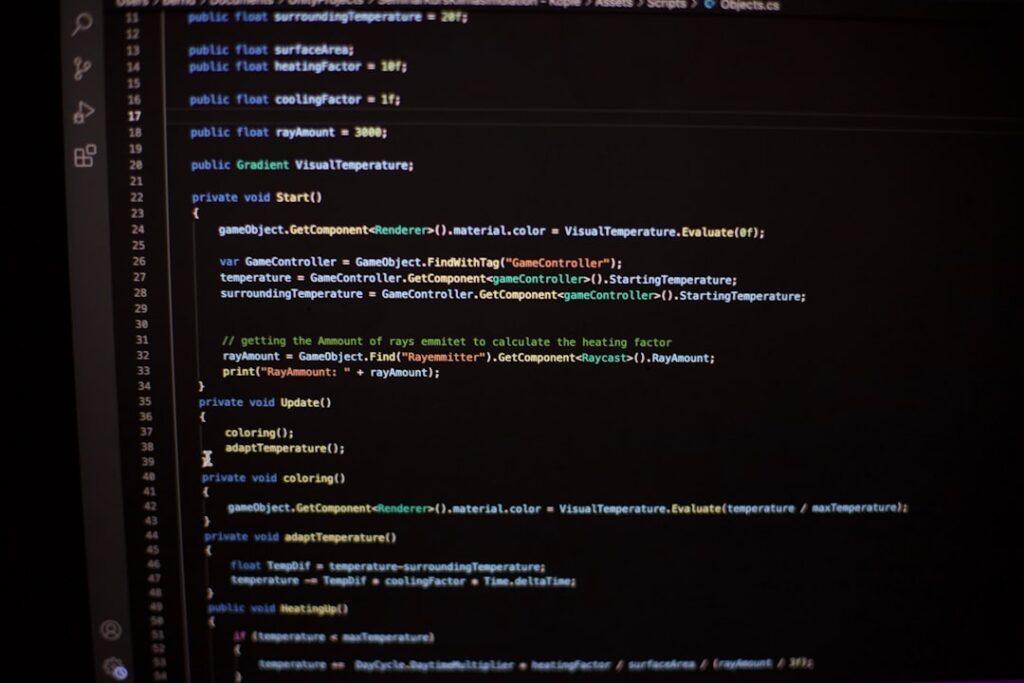
SEO is changing fast. If you’ve tried applying Claude Code in a vacuum, you know it can feel like talking into the void. The recent AirOps webinar showed how a solo build can spin up a model context protocol (MCP) with Claude Code in minutes. But then what? You still need peers, performance tracking, repeatable processes.
Enter CMO.SO. We pair community-driven learning with built-in AI tools. You get automated optimised blogs, one-click domain submissions, and a GEO Visibility Tracker that shows exactly how your AI edits rippled through search. Ready to see it in action? Applying Claude Code: Unlocking the Future of Marketing with CMO.SO
In this guide we’ll:
* Compare the AirOps approach to a community-powered workflow
Show why specs and feedback beat endless prompt tweaking
Lay out steps for an SME to run an AI-driven SEO pilot
* Explain how CMO.SO’s features fill the gaps you didn’t know you had
Why Product Thinking Beats Prompt Tinkering
You’ve heard “just tweak the prompt” a thousand times. In the webinar, Noah Learner stressed specs first:
“A clear spec gives the model a target. Then you judge progress fast.”
He scoped endpoints, storage, language, success criteria before any code. You’ll learn why this matters for SEO.
Define Your Success Criteria
Start with questions like:
* What metrics do you want from Google Search Console?
Which data points signal an SEO win?
How will you group brand vs non-brand queries?
Keep it local and small. Noah used Node.js and SQLite to stay nimble. No cloud complexity. No risk. You can do the same via a simple CSV export or a small database you already have.
Spec-Driven Workflows for SEO
Separation of concerns. Think like a product manager:
1. Draft an endpoint document
2. Note how data flows and where it lives
3. Set criteria for “good enough” results
4. Interrupt Claude Code when it drifts off
This gives you confidence. And a clear path from idea to tool. It also saves hours of rewriting prompts.
Community-driven Optimisation: How CMO.SO Fills the Gaps
AirOps shows the power of a solitary build. But where’s the peer review? The shared insights? CMO.SO’s community-first model brings you closer to real use cases. Here’s how:
Collaboration Trumps Isolation
Working alone is fine for a proof of concept. Yet you’ll hit blind spots. With CMO.SO:
* Share drafts of your spec with other users
See top-performing MCP examples in the open feed
Comment on workflows and ask for tweaks
* Learn best practices in real time
That feedback loop means your next build is smarter. And faster to deploy.
Auto-generated SEO Blogs with a Human Touch
Once your MCP surfaces content opportunities, you need copy that hits the mark. CMO.SO’s auto-generated SEO blogs get you started. But you stay in control:
* Pick the angle you want
Edit tone, keywords, structure
Publish with one click into your CMS
That’s better than starting from scratch. And it scales with minimal effort.
Tracking Your Impact with GEO Visibility Tracker
Finding insights is one thing. Proving impact is another. CMO.SO’s GEO Visibility Tracker shows:
* How your AI-driven optimisations moved rankings
Regional shifts in impressions and clicks
Trends over time for new vs refreshed content
No more guessing. You see exactly where your MCP-powered changes landed.
Halfway through your planning? Need a push to integrate community best practices? Start applying Claude Code in your workflows with CMO.SO
Benchmarking AirOps vs CMO.SO
It’s not about bashing AirOps. They do solid code demos. But here’s a quick side-by-side:
AirOps Strengths
- Fast MCP builds with Claude Code
- Clear demo of low-hanging fruit analysis
- Good primer on spec-driven coding
Where CMO.SO Takes the Next Step
- Community feed of live MCP use cases
- Automated SEO content that you can tweak
- One-click domain submissions for multi-site teams
- Built-in GEO Visibility Tracker for proof of impact
In short, AirOps gets you started. CMO.SO keeps you going—and growing—through shared insights and automation.
Practical Steps for SMEs
Ready to pilot an AI-driven SEO experiment? Here’s what to do:
1. Scope Your Initial Case
Pick a narrow goal:
* Diagnose a traffic drop on a key landing page
Group queries to find cannibalisation
Surface trending topics for next month’s blog
Write down endpoints:
– /searchconsole/data
– /analysis/report
Define success:
– 10% increase in clicks
– 5 new keyword wins
2. Build and Ask for Feedback
Use Claude Code or any LLM to sketch out your script. Share the draft spec in CMO.SO’s community feed. Ask:
“Does this approach scale across multiple domains?”
You’ll get notes from marketers, devs and SEO nerds. Tweak until it clicks.
3. Generate and Optimise Content
Once your MCP runs, drop your keyword list into CMO.SO’s auto-generated SEO blog tool. Edit. Publish. Watch the GEO Visibility Tracker.
4. Iterate with Data and Peers
Review your tracker dashboard weekly. Spot regions where phrases underperform. Ask the community:
“Has anyone seen similar click-through rate drops in Europe?”
Then refine your script, specs, and content in a loop.
What Users Are Saying
“CMO.SO’s community feed saved me weeks of trial and error. I built my first MCP in a day and saw real uplift by week two.”
— Rachel Turner, Owner at Digital Bloom UK
“I love how the GEO Visibility Tracker puts data on a map. We can finally show bosses exactly where our AI‐optimised pages rank across regions.”
— Markus Adler, SEO Lead at Alpine Gear GmbH
“Getting peer feedback on my initial spec was a game-changer. No more prompt guesswork—just clear steps and real results.”
— Leila Hassan, Marketing Exec at Bright Startups
Ready to Move from Curiosity to Repeated Wins?
If you’re serious about applying Claude Code in day-to-day SEO—and want the community, automation, and proof you need—CMO.SO is built for you. Take your first step in applying Claude Code with our community tools
Share
Related posts