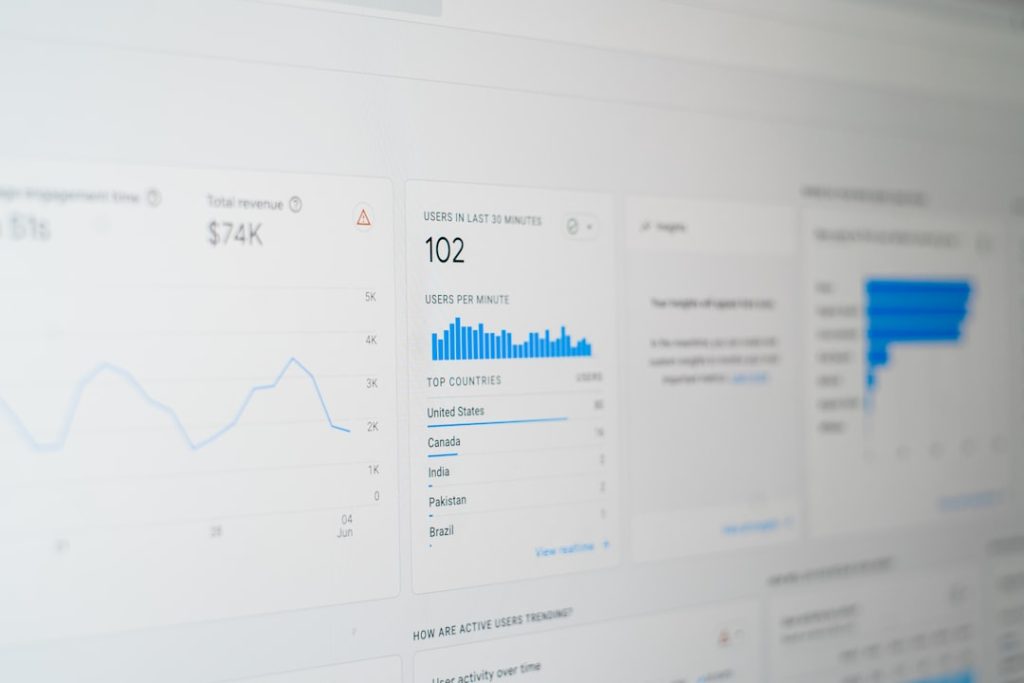
SEO monitoring is an essential practice for any website aiming to enhance its visibility and performance in search engine results. By continuously tracking and analyzing various SEO metrics, businesses can make informed decisions to optimize their online presence and stay ahead of the competition.
SEO Monitoring: An Overview
SEO monitoring involves the ongoing process of tracking key performance indicators (KPIs) that affect a website’s search engine rankings and overall visibility. This practice allows marketers and website owners to understand how their SEO strategies are performing and where adjustments are needed.
Why is SEO Monitoring Important?
Imagine navigating without a map; that’s what running a website without SEO monitoring feels like. Without monitoring, you lack the crucial data needed to gauge your website’s performance, identify issues, and capitalize on opportunities. Effective SEO monitoring ensures that your website remains competitive, attracts targeted traffic, and achieves sustained growth.
Key Metrics to Monitor
To effectively monitor SEO performance, focus on the following key metrics:
Keyword Rankings
Tracking keyword rankings helps you understand how well your content is performing for targeted search terms. Tools like Ahrefs and SEMRush provide insights into your ranking positions and the competitiveness of your chosen keywords.
Organic Traffic
Organic traffic refers to visitors who find your website through search engines. Monitoring this metric helps you gauge the effectiveness of your SEO efforts in driving relevant traffic to your site.
Backlinks
Backlinks are a significant factor in SEO as they signal to search engines the credibility and authority of your website. Tools like Moz and Majestic allow you to track the quantity and quality of backlinks pointing to your site.
On-Page Optimization
Monitoring on-page factors such as meta tags, headers, and content quality ensures that your website is optimized for both search engines and users. Regular audits can help identify areas for improvement.
Top SEO Monitoring Tools
Choosing the right tools is crucial for effective SEO monitoring. Here are some of the best options available:
Google Analytics
A must-have tool, Google Analytics provides comprehensive insights into your website’s traffic, user behavior, and conversions. It helps you understand where your visitors are coming from and how they interact with your site.
Google Search Console
This free tool from Google offers valuable data on how your website appears in search results, identifies technical issues, and provides keyword rank tracking. It’s essential for diagnosing SEO performance and optimizing your search visibility.
Ahrefs
Ahrefs is a powerful tool for backlinks analysis, keyword research, and competitor SEO analysis. It provides detailed insights into your and your competitors’ SEO strategies, allowing you to refine your approach.
SEMRush
An all-in-one SEO tool, SEMRush offers features like keyword rank tracking, backlink analysis, and site audits. It’s ideal for comprehensive SEO monitoring and competitive analysis.
Moz
Known for its domain authority metric, Moz helps you understand your website’s authority and optimize your content for better search rankings. It also offers robust keyword research tools.
Setting Up Effective SEO Monitoring
Establishing a robust SEO monitoring system involves several steps:
Define Your Goals
Identify what you aim to achieve with your SEO efforts. Whether it’s increasing organic traffic, improving keyword rankings, or enhancing user engagement, clearly defined goals will guide your monitoring strategy.
Establish Baseline Metrics
Before you begin tracking, establish baseline metrics to benchmark your current performance. This will help you measure the impact of your SEO strategies over time.
Choose the Right Tools
Select SEO monitoring tools that align with your goals and budget. Combining tools like Google Analytics, Google Search Console, and Ahrefs can provide a comprehensive view of your SEO performance.
Analyzing and Acting on Data
Collecting data is only part of SEO monitoring. The real value lies in analyzing this data to make informed decisions.
Identify Trends and Patterns
Look for trends in your data to understand what’s working and what’s not. For instance, a steady increase in organic traffic might indicate the success of your content strategy.
Address SEO Issues
Use the insights gained from monitoring to identify and fix SEO issues. Whether it’s improving page load speed, optimizing meta tags, or enhancing content quality, addressing these issues can significantly boost your SEO performance.
Refine Your Strategy
Based on your analysis, refine your SEO strategy to focus on areas that need improvement and capitalize on opportunities that drive results.
Continuous Optimization for Sustained Success
SEO is not a one-time effort but a continuous process. Regular monitoring and optimization are essential to maintain and improve your search engine rankings.
Conduct Regular Audits
Perform regular SEO audits to ensure your website remains optimized. These audits can help identify new issues and opportunities for enhancement.
Stay Updated with SEO Trends
The SEO landscape is constantly evolving. Stay informed about the latest trends and algorithm updates to keep your strategies relevant and effective.
Conclusion
Effective SEO monitoring is fundamental to achieving and maintaining strong search engine rankings. By tracking key metrics, utilizing the best monitoring tools, and continuously optimizing your strategies, you can enhance your website’s visibility, drive targeted traffic, and outperform your competitors.
Ready to take your SEO efforts to the next level? Unlock the future of marketing with CMO.SO and empower your website with cutting-edge SEO monitoring tools and community-driven insights.
SEOMonitoring #SEOTools #DigitalMarketing #CMOSO #SEOOptimization
Share
Related posts