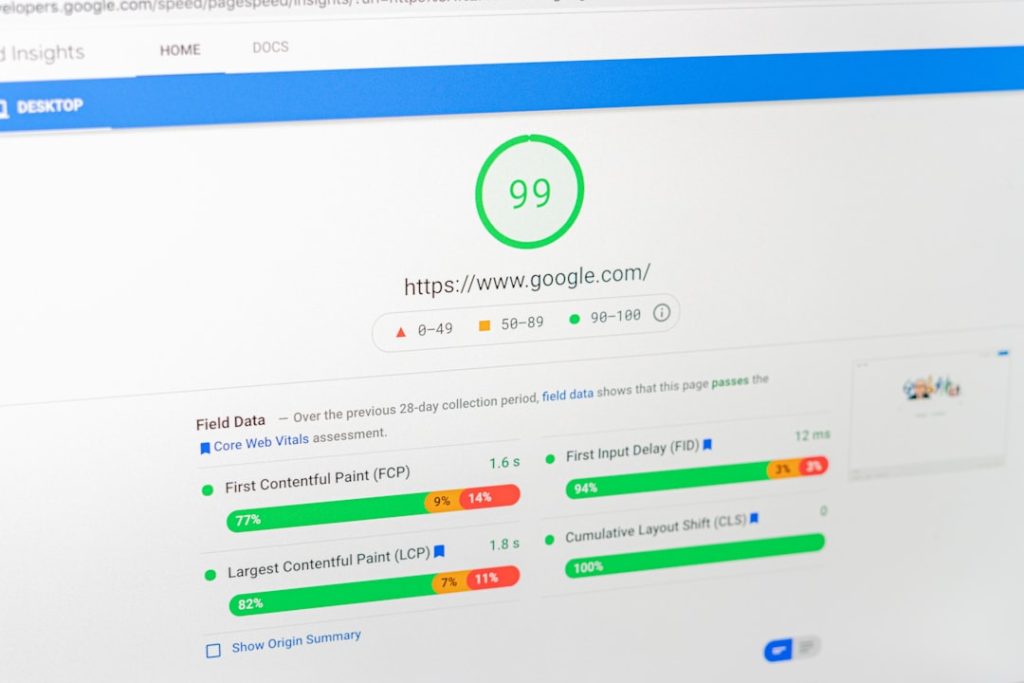
Run efficient and free SEO audits on your website with our top recommended tools, ensuring your site meets best practices and optimization standards.
Introduction
In the ever-evolving landscape of digital marketing, maintaining optimal search engine performance is crucial for website success. Conducting regular SEO site analysis helps identify and rectify issues that could be hindering your site’s visibility and ranking. Fortunately, there are numerous free SEO audit tools available in 2025 that provide comprehensive insights without breaking the bank. In this guide, we’ll explore the top free SEO audit tools that can elevate your website’s performance and keep you ahead of the competition.
Why SEO Site Analysis Matters
An SEO site analysis is akin to a health check-up for your website. It evaluates various aspects of your site, including technical elements, content quality, and backlink profiles, to ensure that it’s optimized for search engines. Regular audits can lead to:
- Improved Search Engine Rankings: By addressing SEO issues, your site can climb higher in search engine results pages (SERPs), attracting more organic traffic.
- Enhanced User Experience: Optimized websites provide a better user experience, leading to higher engagement and conversion rates.
- Stay Ahead of Competitors: Continuous monitoring and optimization ensure that your site remains competitive in a crowded digital marketplace.
Top Free SEO Audit Tools
1. SEOmator Free SEO Audit Tool
SEOmator stands out as a robust free SEO audit tool that offers detailed insights into your website’s SEO health. It tracks pages to compare your site’s performance against competitors, providing actionable recommendations to improve your rankings.
- Features:
- Comprehensive analysis of technical and on-page SEO factors.
- Competitor analysis to benchmark your site.
- User-friendly interface for easy navigation and understanding.
2. Google Search Console
A staple for any SEO professional, Google Search Console offers invaluable data directly from Google. It helps you monitor your site’s presence in Google search results and identify issues that need fixing.
- Features:
- Performance reports showing clicks, impressions, and average rankings.
- Index coverage reports highlighting indexing issues.
- Tools for enhancing mobile usability and page speed.
3. Ahrefs Webmaster Tools
Ahrefs provides a free version of its Webmaster Tools, offering insights into your backlink profile and site performance. It’s an excellent resource for identifying link-building opportunities and spotting toxic backlinks.
- Features:
- Detailed backlink analysis.
- Organic search data to understand keyword performance.
- Site health reports to uncover technical SEO issues.
4. Moz Free SEO Tools
Moz offers a suite of free SEO tools that cater to various aspects of SEO site analysis. From keyword research to link building, Moz provides the necessary resources to enhance your site’s SEO strategy.
- Features:
- Keyword Explorer for effective keyword research.
- Link Explorer to analyze backlink profiles.
- On-page optimization tools to improve content quality.
5. Screaming Frog SEO Spider
Screaming Frog offers a free version of its SEO Spider tool, which is essential for conducting a thorough technical SEO audit. It crawls your website to identify issues like broken links, duplicate content, and missing meta tags.
- Features:
- Comprehensive site crawling for technical issues.
- Identification of broken links and redirect errors.
- Detailed analysis of meta data and on-page elements.
How to Use These Tools for Comprehensive Analysis
- Crawl Your Site: Use tools like Screaming Frog to crawl your website and identify technical issues such as broken links, duplicate content, and missing meta tags.
- Analyze Backlinks: Employ Ahrefs or Moz to evaluate your backlink profile. Focus on acquiring high-quality backlinks and disavowing toxic ones.
- Monitor Performance: Google Search Console provides real-time data on your site’s performance in SERPs. Track clicks, impressions, and average rankings to gauge success.
- Optimize Content: Utilize Moz and SEOmator to assess your on-page SEO factors. Ensure that your content is relevant, keyword-optimized, and engaging.
- Enhance Technical SEO: Address issues related to site speed, mobile usability, and structured data using insights from Google Search Console and Screaming Frog.
Benefits of Regular SEO Audits
Conducting regular SEO audits offers numerous advantages:
- Identifying Hidden Issues: Uncover technical glitches and content gaps that could be affecting your site’s performance.
- Boosting Organic Traffic: Optimize your site to attract more organic visitors, leading to increased visibility and potential revenue.
- Improving User Experience: Addressing SEO issues often results in a more user-friendly website, enhancing overall user satisfaction.
- Staying Updated: Keep up with the latest SEO trends and algorithm updates to ensure your site remains compliant and competitive.
Integrating SEO Audits with CMO.SO
CMO.SO is an innovative platform designed to democratize SEO and AI marketing. By integrating your SEO audit process with CMO.SO, you can leverage automated tools and community insights to enhance your website’s performance. Key features include:
- Automated Content Generation: Create SEO-optimized blog posts tailored to your domain effortlessly.
- GEO Visibility Tracker: Monitor your website’s performance across AI-powered search platforms.
- Community-Driven Learning: Engage with a community of marketers to share strategies and gain valuable feedback.
CMO.SO empowers non-marketers to become confident SEO practitioners, ensuring that your site remains optimized in an AI-driven search environment.
Conclusion
Harnessing the power of SEO site analysis is pivotal for maintaining and enhancing your website’s search engine performance. By utilizing top free SEO audit tools like SEOmator, Google Search Console, Ahrefs, Moz, and Screaming Frog, you can conduct comprehensive audits that identify and resolve critical SEO issues. Integrating these tools with platforms like CMO.SO further amplifies your SEO efforts, providing automated solutions and community support that drive sustained growth.
Regular SEO audits not only improve your site’s visibility and user experience but also keep you ahead in the competitive digital landscape. Embrace these tools and strategies to unlock your website’s full potential and achieve long-term SEO success.
Elevate your SEO strategy with CMO.SO today!
FAQ
What is an SEO audit?
An SEO audit is a comprehensive analysis of a website’s performance and compliance with search engine optimization best practices. It involves evaluating various technical and content-related aspects to identify opportunities for improvement and ensure the site is fully optimized for search engines.
Why is an SEO audit important?
An SEO audit helps businesses understand how well their website is performing in terms of search engine optimization. By identifying and addressing technical and content-related issues, businesses can improve their website’s search engine visibility, leading to increased organic traffic and more revenue.
What are some common issues found during an SEO audit?
Common issues include poor website structure, duplicate content, missing alt tags, slow page load times, and broken links.
What tools can be used to perform an SEO audit?
Tools like SEOmator, Ahrefs, Moz, and Google Search Console are popular choices for conducting SEO audits.
How often should an SEO audit be conducted?
It is recommended to conduct an SEO audit at least quarterly to ensure your website remains optimized and to identify any new issues.
How can an SEO audit improve website traffic?
By identifying and fixing SEO issues, an audit can improve your website’s search engine rankings, leading to increased organic traffic. Additionally, optimizing content and acquiring quality backlinks further enhances visibility and traffic.
What are the best practices for conducting an SEO audit?
Best practices include starting with a comprehensive site crawl, using a variety of tools to analyze different aspects, prioritizing issues based on impact, implementing recommended changes, and performing regular follow-up audits to maintain SEO health.
Share
Related posts