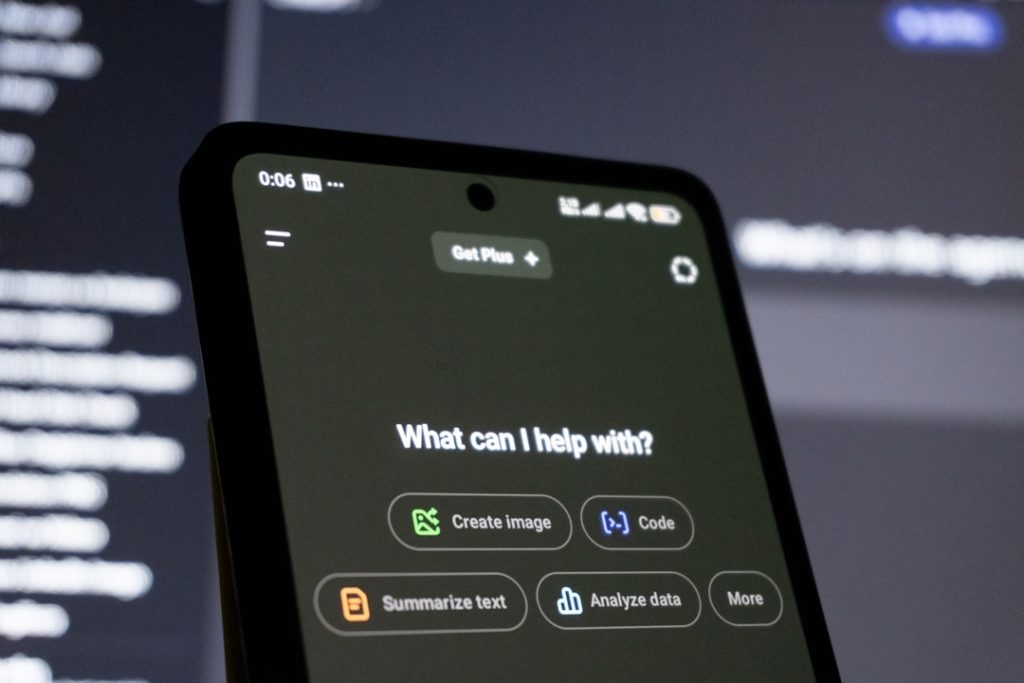
Explore the transformative impact of AI content generation on creative writing, including the benefits and challenges of integrating AI into storytelling.
Introduction
The landscape of creative writing is undergoing a seismic shift, driven by the rapid advancements in Artificial Intelligence (AI) content generation. As the global AI market is projected to soar to $1.81 trillion by 2030, the implications for storytelling and creative expression are profound. This evolution presents both unprecedented opportunities and significant challenges for writers, marketers, and content creators worldwide.
Understanding AI in Creative Writing
The Rise of AI Content Generation
AI content generation leverages sophisticated algorithms to produce written material with remarkable speed and efficiency. Tools like ChatGPT have revolutionized how content is created, offering a new paradigm where machines assist in drafting narratives, generating ideas, and even optimizing text for specific audiences. This technological leap enables creators to scale their content production without compromising on quality.
Benefits of AI Integration
- Speed and Efficiency: AI can generate content almost instantaneously, allowing writers to meet tight deadlines and manage large volumes of work effortlessly.
- Data-Driven Insights: By analyzing vast datasets, AI tools can provide insights into current trends and consumer behavior, informing more targeted and relevant storytelling.
- Cost-Effectiveness: Automating content creation reduces the need for extensive human resources, making it a cost-efficient solution for businesses of all sizes.
- Accessibility: AI writing tools democratize content creation, enabling individuals without formal marketing expertise to produce high-quality material.
- Editing Assistance: Advanced grammar checkers and style editors powered by AI help refine content, ensuring it is polished and error-free.
Challenges of AI in Creative Writing
- Maintaining Originality: While AI excels at data processing, it often struggles to infuse creativity and unique perspectives that human writers bring to storytelling.
- Ethical Concerns: The ease of generating content raises issues related to plagiarism and the authenticity of the work, potentially undermining the value of human creativity.
- Quality Control: AI-generated content may require significant human oversight to ensure logical coherence and contextual relevance.
- Over-Reliance: Dependence on AI tools can hinder the development of writers’ skills and restrict their creative potential.
- Emotional Resonance: Effective storytelling relies on emotional depth and shared human experiences, aspects where AI still falls short.
The Transformative Impact of AI Content Optimization
AI-driven SEO tools play a crucial role in enhancing the visibility and reach of creative content. By optimizing narratives to meet search engine requirements, these tools ensure that content not only engages readers but also ranks well in search results. Features like content personalization further boost audience engagement by tailoring narratives to individual preferences.
However, the emphasis on SEO can sometimes lead to a more homogenized writing style, potentially diluting the unique voice and creative flair that make stories compelling. Striking a balance between optimization and creativity is essential for maintaining the integrity of storytelling.
AI Revolutionizing Freelance Content Creation
Freelance content creators have embraced AI tools to streamline their workflows and enhance productivity. AI aids in generating blog ideas, drafting content, and performing edits, allowing writers to focus more on the strategic and creative aspects of their work. Despite challenges like ensuring originality, many freelancers have successfully integrated AI into their processes, achieving higher efficiency and output quality.
The Transformative Effect of AI on Content Marketing
AI has redefined content marketing by improving audience targeting and campaign efficiency. Companies like Sephora have leveraged AI for augmented reality experiences and personalized beauty advice, demonstrating the versatile applications of AI in marketing. These advancements enable more effective data analysis and insightful strategies, driving better marketing performance and customer engagement.
The Promise of AI for Effective Content Creation
Despite its challenges, AI content generation holds immense promise for the future of creative writing. By consistently producing high-quality, engaging content at scale, AI reduces human error and bias, allowing writers to concentrate on infusing their work with creativity and personal experience. The integration of AI tools signifies a collaborative future where human ingenuity and machine efficiency coalesce to elevate storytelling.
Conclusion
AI content generation is undeniably shaping the future of creative writing, offering exciting opportunities while presenting significant challenges. The most promising path forward lies in a thoughtful blend of human expertise and AI-driven tools, ensuring that storytelling remains both innovative and emotionally resonant.
Are you ready to harness the power of AI in your marketing strategies? Unlock the future of marketing with CMO.SO and transform your content creation process today!
Share
Related posts