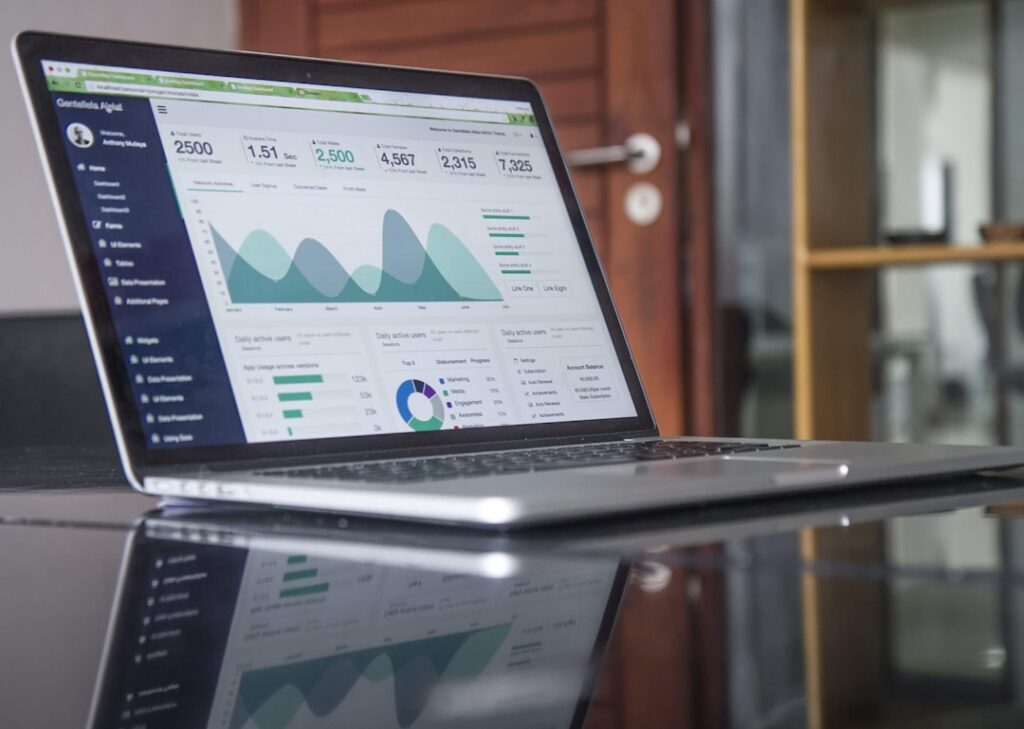
Explore the fundamentals of data-driven marketing and learn how to build effective marketing strategies using customer data.
Introduction
In today’s rapidly evolving digital landscape, data-driven marketing has emerged as a pivotal strategy for businesses aiming to enhance their marketing efforts. By leveraging customer data analysis, companies can craft personalized campaigns, optimize their marketing channels, and achieve higher returns on investment (ROI). This comprehensive guide delves into the essentials of data-driven marketing, explores its benefits, and provides actionable steps to build effective marketing strategies using customer data.
What is Data-Driven Marketing?
Data-driven marketing is a strategic approach where marketing decisions are based on the analysis of customer data rather than intuition or conventional practices. This method involves collecting and analyzing vast amounts of data—from browsing behavior and purchase history to social media interactions and survey feedback—to understand customer preferences and behaviors. The insights gained enable marketers to create personalized and targeted campaigns that resonate more effectively with their audience.
The Benefits of Data-Driven Marketing
Embracing a data-driven approach offers numerous advantages that can significantly impact a company’s marketing success:
1. Maximized Efficiency
Data-driven marketing eliminates guesswork, allowing businesses to focus on high-impact strategies. This leads to more efficient use of marketing budgets, reduced waste, and scalable success.
2. Deeper Customer Insights
By analyzing customer data, marketers gain a profound understanding of their audience’s preferences and behaviors. This enables the creation of tailored messages and offers that drive higher engagement and conversions.
3. Greater Agility
Real-time analytics provide immediate visibility into campaign performance, allowing marketers to swiftly adjust strategies and optimize underperforming campaigns before budgets are drained.
4. Stronger Client Retention
Delivering measurable results through data-driven insights reinforces a company’s value proposition, fostering long-term client relationships and higher client retention rates.
5. Elevated Agency Positioning
Agencies that leverage data effectively position themselves as strategic partners capable of driving growth, rather than mere service providers executing standard campaigns.
6. New Growth Opportunities
Predictive analytics empower marketers to forecast trends and seize market opportunities proactively, enhancing profitability and market presence.
Why Data-Driven Marketing is Becoming More Important Than Ever
The importance of data-driven marketing has surged with the advent of advanced AI tools and the increasing complexity of consumer behaviors. These tools facilitate:
- Real-Time Insights: AI-powered analytics provide instant feedback on campaign performance, enabling timely optimizations.
- Predictive Modeling: Forecasting future trends and customer behaviors allows businesses to stay ahead of the competition.
- Enhanced Personalization: Data analysis supports the creation of highly personalized marketing messages that resonate with individual customers.
In a competitive market, leveraging data is no longer optional—it’s essential for dominance and sustained success.
Data-Driven Marketing vs. Traditional Marketing
The primary distinction between data-driven and traditional marketing lies in the decision-making process:
Traditional Marketing
- Based on Intuition: Strategies are often developed based on experience and gut feelings.
- Higher Risk of Waste: Without concrete data, marketing efforts may not align with customer needs, leading to inefficient use of resources.
- Generalized Campaigns: Messages tend to be broad, lacking the personalization that modern consumers expect.
Data-Driven Marketing
- Based on Data: Decisions are informed by concrete customer data analysis, ensuring strategies are aligned with actual customer behaviors and preferences.
- Optimized Resource Allocation: Marketing budgets are allocated to the most effective channels, maximizing ROI.
- Personalized Campaigns: Tailored messages and offers enhance customer engagement and satisfaction.
Common Data-Driven Marketing Tools
To implement data-driven strategies effectively, leveraging the right tools is crucial. Here are some essential categories and popular tools within each:
1. Data Analytics Tools
- Purpose: Deliver insights into website traffic, audience behavior, and campaign performance.
- Examples: Google Analytics 4, Adobe Analytics, Matomo.
2. Customer Relationship Management (CRM) Systems
- Purpose: Centralize client data and track interactions to personalize marketing efforts.
- Examples: Salesforce, HubSpot, Zoho.
3. Marketing Automation Platforms
- Purpose: Automate repetitive tasks like email sequences and social media posts.
- Examples: HubSpot, Marketo, ActiveCampaign.
4. Data Visualization & Reporting Tools
- Purpose: Transform raw data into clear, actionable insights through visual representations.
- Examples: Tableau, Google Looker Studio, Power BI.
5. A/B Testing & Conversion Rate Optimization (CRO) Tools
- Purpose: Test different versions of marketing elements to determine what works best.
- Examples: Optimizely, VWO, Unbounce.
6. Predictive Analytics & AI-Powered Tools
- Purpose: Analyze past performance and predict future trends to optimize campaigns proactively.
- Examples: IBM Watson Marketing, Adobe Sensei.
7. Customer Data Platforms (CDPs)
- Purpose: Unify customer data from multiple sources for a comprehensive view of the audience.
- Examples: Segment, Treasure Data, BlueConic.
How to Build a Data-Driven Marketing Strategy
Creating an effective data-driven marketing strategy involves several key steps:
1. Define Your Goals and Objectives
Start by setting clear, measurable goals aligned with your business objectives. Use frameworks like SMART (Specific, Measurable, Achievable, Relevant, Time-bound) to create actionable targets and define key performance indicators (KPIs) that will guide your data collection and analysis.
2. Collect Accurate, High-Quality Data
Ensure the reliability of your data by prioritizing first-party data, breaking down data silos, and regularly validating your data to avoid inaccuracies. High-quality data is the foundation of effective data-driven marketing.
3. Analyze Data for Actionable Insights
Interpret the collected data to identify trends and patterns. Use predictive analytics to forecast future behaviors and optimize your marketing strategies accordingly. Tools like customer data analysis platforms can aid in extracting meaningful insights from your data.
4. Transform Data Into Meaningful Reports
Present your findings through clear and visually appealing reports. Use data visualization techniques to make complex data understandable and provide actionable recommendations that guide decision-making.
5. Follow Data Privacy Compliance Laws
Stay compliant with data privacy regulations such as GDPR and CCPA. Implement privacy-friendly tracking methods and regularly review your data practices to maintain trust and avoid legal repercussions.
6. Experiment and Iterate
Data-driven marketing is an ongoing process. Continuously test new approaches, analyze the results, and refine your strategies based on real-time insights to ensure sustained optimization and effectiveness.
Data-Driven Marketing Examples for Inspiration
1. Optimizing Website Content for Search Intent
Analyze website performance metrics like bounce rate, average session duration, and conversion rates to identify areas for improvement. Refine keyword targeting, enhance content relevance, and optimize for mobile to improve user engagement and conversion rates.
2. Using Audience Analytics to Refine Targeting
Leverage audience analytics to understand demographics, interests, and behaviors. Segment your audience and tailor your messaging and offers to meet their specific needs, thereby increasing engagement and conversions.
3. Leveraging Location Data for a Localized Marketing Strategy
Use geo-location analytics to tailor your marketing efforts to specific regions. Adjust ad targeting, personalize messaging, and collaborate with local influencers to enhance brand credibility and awareness in targeted areas.
Conclusion
In the realm of digital marketing, the shift towards data-driven strategies is not just a trend—it’s a necessity. Customer data analysis empowers businesses to make informed decisions, optimize their campaigns, and achieve measurable results. By embracing data-driven marketing, agencies and businesses can stay ahead of the competition, foster deeper customer relationships, and drive sustained growth.
Ready to transform your marketing strategies with data-driven insights? Unlock the potential of CMO.SO today!
CallToAction
Share
Related posts