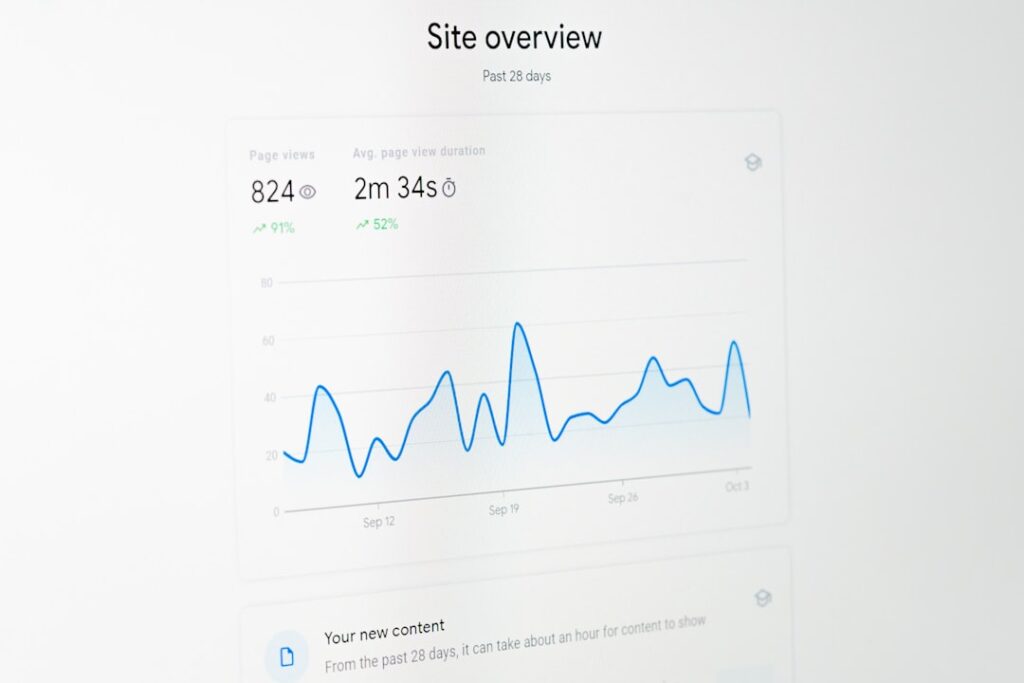
Enhance your SEO projects with our step-by-step guide to SEO analytics, featuring the best data analysis and measurement tools for optimal website performance.
Introduction to SEO Analytics
In the ever-evolving landscape of digital marketing, understanding and leveraging SEO data analysis is crucial for driving organic traffic and enhancing website performance. SEO analytics provides the foundation for making informed decisions, optimizing strategies, and achieving sustainable growth.
What is SEO Analytics?
Definition and Importance
SEO analytics refers to the systematic collection, analysis, and interpretation of data related to your website’s search engine performance. It involves:
- Data Collection: Gathering relevant data on organic traffic, user engagement, and other key metrics.
- Data Analysis: Interpreting the data to identify trends, strengths, and areas for improvement.
- Decision Making: Using insights gained from data to inform and refine SEO strategies.
SEO analytics is a vital component of marketing analytics, helping businesses understand their organic search performance within the broader context of their overall marketing efforts.
Key Components of SEO Analytics
- Engaged Organic Traffic: Focusing on traffic that leads to meaningful interactions and conversions, rather than just high-volume visits.
- Data Visualization and Reporting: Presenting data in an understandable format to facilitate strategic decision-making.
- Task Planning and Execution: Developing actionable plans based on data insights to drive growth.
Setting Up Your SEO Analytics Framework
Phase 1: Preparation and Team Setup
To effectively integrate SEO analytics into your strategy, it’s essential to establish a strong foundation:
- Define Your Goals: Determine what you want to achieve with your SEO efforts, such as increasing organic traffic, improving engagement, or boosting conversions.
- Assemble a Skilled Team: Include roles such as a project director, analytics developer, SEO specialist, content lead, and more to cover all aspects of SEO analytics.
- Allocate a Sufficient Budget: Ensure you have at least $3K per month dedicated to SEO analytics to implement and maintain effective measurement and reporting systems.
Phase 2: Implementing Measurement Tools
Choosing the right tools is crucial for effective SEO data analysis. Here are some top tools to consider:
- Google Analytics (GA): Acts as a central hub for data collection, integrating seamlessly with other Google Suite tools.
- Google Tag Manager (GTM): Facilitates advanced tracking and tagging, allowing you to measure various engagement metrics effortlessly.
- Keyword Hero: Provides comprehensive keyword data, filling in the gaps left by “not provided” keywords in Google Analytics.
- On-Page Hero: Enhances on-page SEO by offering detailed metrics on content engagement and structure.
- Semrush: Ideal for keyword research and competitor analysis, helping you identify market opportunities and optimize your SEO strategy.
Phase 3: Data Visualization and Reporting
Effective data visualization transforms raw data into actionable insights:
- Looker Studio: A powerful tool for creating interactive SEO dashboards and comprehensive reports.
- Data Blending: Combine multiple data sources to gain a holistic view of your SEO performance.
- Custom Reports: Tailor your reports to highlight key metrics and trends relevant to your goals.
Phase 4: Acting on Insights
The final step is to translate data insights into actionable strategies:
- Analyze Monthly Reports: Regularly review your SEO performance reports to identify patterns and anomalies.
- Client and Team Meetings: Use data-driven insights to guide discussions and plan strategic actions.
- Execute Optimized Strategies: Implement changes based on your analysis, such as optimizing content, improving technical SEO, or adjusting keyword focus.
Top SEO Measurement Tools
Google Analytics & Google Search Console
These foundational tools offer comprehensive data on your website’s performance:
- Google Analytics: Tracks user behavior, conversion metrics, and engagement.
- Google Search Console: Provides insights into search performance, indexing issues, and backlink profiles.
Advanced Tools for Enhanced Analysis
- HotJar: Utilizes heatmaps and visitor recordings to understand user interactions and improve engagement.
- Semrush: Offers in-depth keyword analysis, competitor insights, and backlink tracking.
- SEOTesting.com: Focuses on optimizing click-through rates (CTR) through systematic testing of meta descriptions and titles.
Case Studies: SEO Analytics in Action
Regenerative Medicine Clinic
By leveraging SEO analytics, ThriveMD successfully outranked major competitors like WebMD for lucrative search terms, demonstrating the power of data-driven SEO strategies.
Web Analytics Agency
MashMetrics improved their search rankings by structuring their website based on detailed keyword maps and securing high-quality backlinks, showcasing the effectiveness of comprehensive SEO analytics.
E-commerce Success
The Longhairs utilized SEO analytics to drive organic traffic and optimize content for specific niches, resulting in significant revenue growth from organic search.
Conclusion
Mastering SEO analytics is essential for anyone looking to enhance their digital presence and achieve long-term success in search rankings. By systematically collecting and analyzing data, utilizing top measurement tools, and acting on insights, you can transform your SEO strategy from good to great.
Ready to elevate your SEO analytics and drive optimal website performance? Explore CMO.SO today and unlock the future of marketing with our innovative, community-driven platform.
Share
Related posts