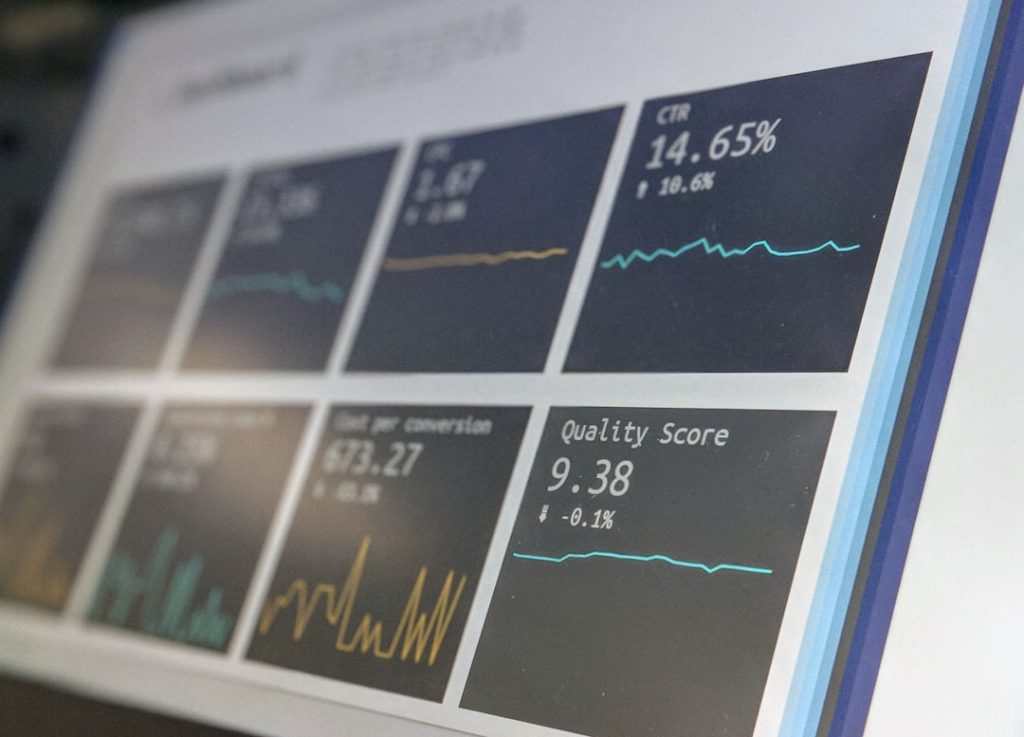
Meta Description: Discover the Performance Marketing Model, a pay-per-action advertising system where you pay only for specific consumer actions like purchases. Learn how it can enhance your marketing strategy.
Introduction to Performance Marketing
Performance marketing has revolutionized the way businesses approach advertising by aligning costs directly with results. Unlike traditional advertising models where payment is made upfront without guaranteed outcomes, performance marketing operates on a pay-per-action basis. This means advertisers only pay when specific actions, such as clicks, leads, or sales, are achieved. This results-driven approach ensures that marketing budgets are utilized efficiently, providing measurable returns on investment (ROI).
Why Performance Marketing Matters
In today’s digital landscape, where consumer attention is fragmented across countless platforms, efficiency and accountability in marketing are paramount. Performance marketing addresses these needs by offering a transparent and measurable framework. Advertisers gain the advantage of tracking every dollar spent against tangible outcomes, allowing for precise optimization of campaigns. This not only enhances ROI but also minimizes financial risks associated with traditional advertising methods.
Who Benefits from Performance Marketing?
Performance marketing is ideal for a wide range of businesses, particularly:
- Start-Up Businesses: New ventures in high-growth sectors like cannabis, food & beverage, and tourism that seek to establish a strong online presence without overspending.
- Mid-Sized Brands: Established companies looking to amplify their reach and engagement through innovative and targeted marketing strategies.
- E-Commerce Platforms: Businesses that rely on online sales and need to track conversions closely to optimize their marketing spend.
By focusing on specific actions, performance marketing ensures that marketing efforts are directed towards achieving meaningful business objectives.
Key Benefits of the Performance Marketing Model
1. Pay-for-Performance
You only incur costs when desired outcomes are met, such as clicks, conversions, or sales. This ensures that your budget is spent efficiently, directly tied to measurable results.
2. High ROI Potential
By concentrating on specific actions, performance marketing allows for continuous optimization of campaigns, driving a higher return on investment compared to traditional advertising.
3. Measurable and Data-Driven
Detailed analytics provide real-time insights into campaign effectiveness, enabling informed decision-making and strategic adjustments.
4. Budget Flexibility
Advertisers can set and adjust daily or total campaign budgets, making it ideal for startups and small businesses with limited resources.
5. Scalability
Successful campaigns can be easily scaled by increasing ad spend, targeting new audiences, or expanding into additional platforms.
6. Enhanced Audience Targeting
Advanced targeting options based on demographics, interests, and behaviors ensure that ads reach the most relevant audiences, increasing conversion rates.
7. Real-Time Optimization
Campaign performance can be monitored and adjusted in real-time, maximizing effectiveness and ensuring optimal use of resources.
Strategies to Maximize Performance Marketing Success
1. Define Clear Goals and KPIs
Establish specific, measurable objectives aligned with your business goals. Common KPIs include Return on Ad Spend (ROAS), Cost Per Click (CPC), and Cost Per Acquisition (CPA).
2. Understand Your Target Audience
Develop a comprehensive Ideal Customer Profile (ICP) to tailor your marketing efforts effectively. This involves analyzing demographics, behavior patterns, and pain points.
3. Optimize Your Creatives and Ad Copy
Create compelling ad creatives and copy that resonate with your audience. A/B testing different elements can help determine what drives the highest conversions.
4. Select the Right Marketing Channels
Choose performance marketing channels that align with your target audience and business goals. Common channels include:
- Paid Search (Google Ads, Bing Ads)
- Social Media Advertising (Facebook, Instagram, LinkedIn)
- Programmatic Advertising
- Affiliate Marketing
- Email & SMS Marketing
5. Leverage Retargeting and Remarketing
Implement retargeting strategies to re-engage users who have interacted with your brand but haven’t converted yet. This increases the likelihood of turning leads into customers.
Overcoming Common Challenges in Performance Marketing
1. Rising Costs and Limited Targeting
As competition increases, advertising costs can rise, making it essential to refine targeting strategies and explore diverse marketing channels beyond search and social media.
2. Creative Fatigue
Keep your campaigns fresh by regularly updating ad creatives and experimenting with new formats to prevent audience fatigue and maintain engagement.
3. Integrating a Full-Funnel Approach
While focusing on performance, it’s important to balance top-of-funnel activities like brand awareness with bottom-of-funnel conversion efforts to achieve comprehensive marketing success.
Conclusion
Performance marketing offers a strategic, results-oriented approach that aligns advertising spend with meaningful business outcomes. By leveraging pay-per-action models, businesses can enhance their ROI, optimize budgets, and engage with their target audiences more effectively. As the digital marketing landscape continues to evolve, embracing performance marketing strategies will be crucial for brands aiming to thrive in competitive markets.
Ready to elevate your marketing strategy? Contact CHAMP Digital today to discover how our tailored performance marketing solutions can drive your business forward.