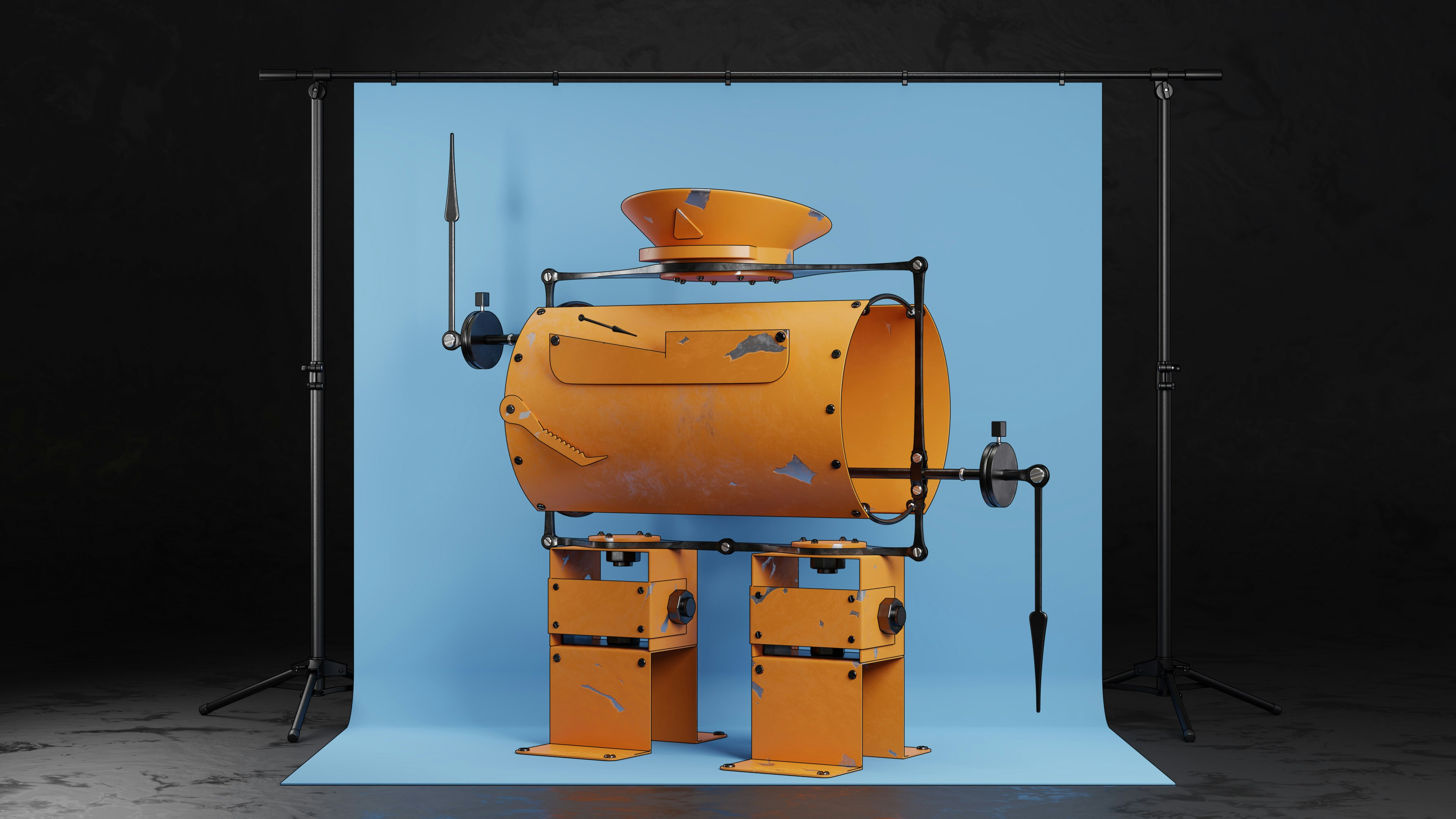
, and tailored to existing conveyors and bins. Opening a second facility next year? Just pack up your modules, ship them over, and you’re back in business—fast.
Real-World Flexibility
Imagine toggling modules in and out for special recycling drives—cardboard collection in November, electronic waste in January, soft plastics in April. With modular robotics, you’re not stuck with one configuration. You build what you need, when you need it.
Key Benefits of Our AI and Robotic System
Why should you invest in a modular, AI-driven recycling platform? Here’s why it’s a no-brainer:
-
10x CAPEX Reduction
Forget bulky, one-off machines. Build your line with affordable modules. Scale up as budgets allow. -
High-Purity Outputs
Our AI vision plus precise robotics equals material streams virtually free of contaminants. -
Item-Level Traceability
Track every bottle, can, or sheet of plastic from infeed to final bale. Audit-ready records at your fingertips. -
Real-Time Optimisation
Continuous learning algorithms improve sorting accuracy with every shift. -
Minimal Footprint
Perfect for SMEs and remote sites. Modules fit into tight spaces and can be reconfigured in hours. -
Plug-and-Play Integration
Works seamlessly with your existing conveyors, chutes, and balers. Minimal downtime, maximum uptime.
Each benefit translates into real savings: lower labour costs, fewer landfill fees, higher sales of clean recyclate, and a smaller environmental footprint. In short, you boost your bottom line while doing the planet a solid. 🌱
How It Works: A Step-by-Step Overview
Curious about the daily grind of a modular robotics sorting line? Here’s a simple walkthrough:
- Infeed & Pre-Screening
Waste arrives on the conveyor. AI optimises speed based on volume and material mix. - Visual & Spectral Scanning
Cameras and hyperspectral sensors capture multi-band images, streaming data to the cloud. - AI Classification
Algorithms tag each item—PET, HDPE, aluminium, cardboard, etc. - Robotic Pick-and-Place
Robotic arms deploy in milliseconds, plucking items from the belt and depositing them into designated bins. - Quality Check
A final camera scan verifies purity. Contaminants are rerouted for reprocessing. - Data Logging
Detailed metrics (throughput, error rates, cycle times) feed your dashboard. ROI is transparent.
It’s like having a Swiss watch mechanism humming along in your facility—every gear, sensor, and arm working in harmony. And with real-time data dashboards, you’ll spot opportunities to tweak parameters on the fly: slow down for tricky items, speed up for uniform streams, adjust your bin assignment logic—and watch performance soar. 📊
A Success Story: European SME Goes Green
Meet GreenCycle Ltd., a small recycling firm nestled in northern France. They were drowning in manual sorting lines, high labour costs, and inconsistent yields. Profit margins were shrinking, and public pressure was mounting.
They decided to trial our modular robotics system:
- Deployment: Three modules installed in under 10 days.
- Month One Results: Sorting errors down by 45%.
- CAPEX Savings: 8x cheaper than a traditional retrofit.
The outcome? GreenCycle lifted material yields by 30%, reclaimed lost revenue, and won praise from local councils for its green credentials. “As soon as we saw the robotic arms whizzing into action,” says Marie Dubois, Operations Manager at GreenCycle, “we knew this was the future of recycling. Next year, when we expand, we’ll simply add modules—no costly rebuild needed. It’s pick, plug, and profit!” 🎉
Implementing Your Own Modular Robotics Solution
Ready to make the switch? Follow these six simple steps:
- Assess Your Workflow
Map your current line. Identify chokepoints and contamination stains. - Choose the Right Modules
Start with a Vision & Feed Unit and one AI Inspection Module. Scale with sorting arms and QA units. - Integrate AI Models
Feed the system historic waste samples for training. Customise models for your unique material mix. - Train Your Team
Run a half-day workshop on operation, maintenance routines, and safety protocols. - Monitor & Optimise
Lean on your real-time dashboards. Adjust camera angles, arm speeds, bin thresholds as you gather data. - Scale When Ready
Snap in extra modules without a full system shutdown. Incremental growth keeps your operation humming.
Need help along the way? Our expert support team is on hand. From AI fine-tuning to module placement advice, we’ll guide you to a seamless rollout.
Spreading the Word with Maggie’s AutoBlog
Here’s a little secret behind our success: we practice what we preach about AI. Meet Maggie’s AutoBlog—our in-house AI content engine that crafts SEO-optimised, engaging articles in minutes. It:
- Curates high-impact keywords like modular robotics and AI recycling
- Generates region-specific content for European SMEs
- Frees up our editorial team to focus on innovation, not blog drafts
Maggie’s AutoBlog ensures your sustainability story reaches the right audience—without the overhead of a full content team. 📣 For more on how automated content creation can complement your tech rollout, dive into our blog.
Looking Ahead: Automation and the Circular Economy
What does the future hold? Picture a world where:
- AI algorithms anticipate new packaging types before they hit the market.
- Robotic systems shrink in size and cost, making them accessible to every collector.
- Data-driven insights shape policy, funding, and community initiatives.
By blending modular robotics with deep learning, we’re laying the cornerstone of a true circular economy—where materials flow continuously, generating value and reducing waste at every turn. Imagine:
- Plastic bottles automatically re-manufactured into new containers.
- Metals looping seamlessly back into industrial supply chains.
- Organic waste converting efficiently into compost and renewable energy.
That’s not sci-fi; it’s happening now. And it’s powered by scalable, AI-driven robotics that adapt as your needs evolve.
Conclusion
If you’re an SME in Europe craving a smarter, greener waste management solution, the future is modular. Say goodbye to bulky, single-purpose machines and hello to a flexible, cost-effective platform that scales with you.
Ready to see how modular robotics and AI can transform your recycling line? Start your free trial or get a personalised demo at terasort.ai and take the first step towards a cleaner, more profitable tomorrow. 🌍💚
Let’s build smarter, greener facilities—one module at a time.