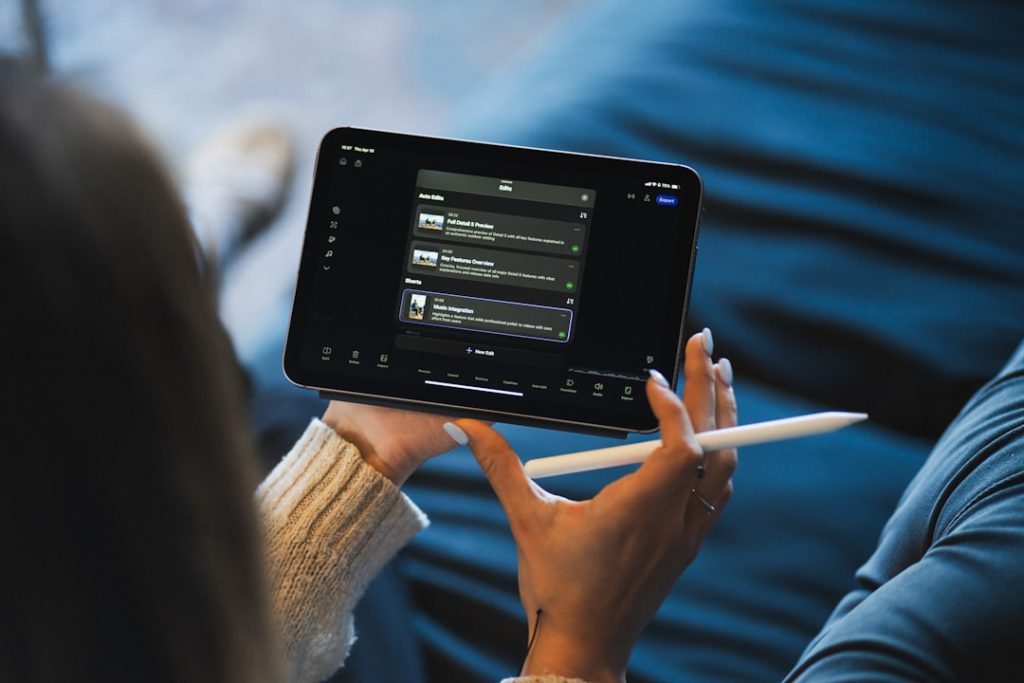
Discover real-world success stories of building robust applications using no-code and low-code development platforms.
Introduction
In today’s rapidly evolving digital landscape, the demand for efficient and scalable application development solutions has never been higher. Traditional coding methods, while powerful, often come with significant barriers such as high costs, lengthy development times, and the necessity for specialized technical expertise. Enter no-code and low-code platforms — innovative tools that democratize app development, enabling individuals and businesses to create sophisticated applications without deep programming knowledge. This blog explores real-world success stories of building robust applications using these platforms, highlighting the transformative impact they have on various industries.
What Are No-Code and Low-Code Platforms?
No-code and low-code platforms are development environments designed to simplify the app creation process. No-code platforms allow users to build applications entirely through graphical user interfaces and configurations, eliminating the need for manual coding. Low-code platforms, on the other hand, offer a balance by providing visual development tools alongside the option to incorporate custom code for more complex functionalities.
These platforms empower a wide range of users — from entrepreneurs and small business owners to educators and non-technical creatives — to bring their ideas to life swiftly and cost-effectively. By abstracting the complexity of traditional development, no-code and low-code tools make app development accessible to a broader audience.
Benefits of Using No-Code Tools
Leveraging no-code platforms offers numerous advantages that contribute to their growing popularity:
- Accessibility: Users without a technical background can design and deploy applications, opening the field to diverse creative talents.
- Speed: Rapid prototyping and deployment significantly reduce the time from concept to market, enabling businesses to respond swiftly to market demands.
- Cost-Effectiveness: Eliminating the need for specialized developers lowers the overall cost of app development, making it feasible for startups and small enterprises.
- Flexibility: These platforms often come with a wide range of templates and integrations, allowing for customization to meet specific needs.
- Scalability: Many no-code tools are designed to handle scalability, ensuring that applications can grow alongside user demands.
Real-World No-Code Application Examples
1. Social Networks and Community Platforms
One of the compelling no-code application examples is the creation of social networking platforms. Using tools like VibeFlow, entrepreneurs have built social networks that incorporate features such as user profiles, messaging, and content sharing without writing a single line of code. For instance, a user highlighted their experience in developing a social network by leveraging conventional databases like Firebase and Supabase through low-code platforms, successfully managing real-time functionalities while maintaining cost efficiency.
2. Content Organization and Sharing Apps
Content-focused teams, such as those at Howscribe, have utilized no-code platforms like Bubble and Adalo to develop applications for organizing articles, sharing insights, and engaging with readers. These platforms allow for the seamless integration of content management systems, user authentication, and interactive interfaces, enabling teams to focus on content quality and user experience rather than backend complexities.
3. Educational Tools and Learning Management Systems
Educational institutions have embraced no-code solutions to create learning management systems (LMS) and other educational tools. VibeFlow, for example, can be used to design and deploy applications that facilitate course management, student assessments, and collaborative projects, making the educational process more interactive and accessible.
4. E-Commerce Platforms
Small businesses have leveraged no-code platforms to build e-commerce applications that manage product listings, handle transactions, and track inventory. Platforms like Webflow and Thunkable provide the necessary tools to create visually appealing and functional online stores without the need for extensive technical knowledge.
5. Automation and Workflow Management
No-code tools like Zapier have become essential for businesses looking to automate workflows and integrate various applications seamlessly. These platforms allow users to create automated processes that handle repetitive tasks, improve efficiency, and reduce the potential for human error.
How VibeFlow Enhances No-Code App Development
VibeFlow stands out in the crowded no-code and low-code market by integrating artificial intelligence to streamline the app development process further. Here’s how VibeFlow enhances no-code application examples:
- AI-Driven Frontend Mockups: VibeFlow transforms AI-generated frontend designs into fully functional applications, bridging the gap between design and deployment seamlessly.
- Visual Backend Builder: Users can create backend endpoints, data models, and integrations through an intuitive drag-and-drop interface, simplifying backend configuration without the need for manual coding.
- Automated Code Generation: As users design their applications, VibeFlow automatically generates type-safe APIs, ensuring robust and error-free communication between the front and backend.
- Real-Time Updates and Collaboration Tools: VibeFlow facilitates real-time collaboration, allowing teams to work together efficiently and make instantaneous updates to the application.
- Quick Deployment: The platform accelerates the deployment process, enabling users to bring their applications to market faster and respond swiftly to user feedback and market changes.
These features make VibeFlow an invaluable tool for startups, SMEs, non-technical creatives, and educational institutions looking to develop robust applications without the traditional complexities of backend development.
Future of No-Code and Low-Code Development
The no-code and low-code market is projected to reach approximately $21.2 billion by 2025, driven by the increasing need for agile development solutions across various industries. The future of these platforms looks promising, with several key trends shaping their evolution:
- AI Integration: Advanced AI capabilities will further enhance the functionality and intelligence of no-code platforms, enabling more sophisticated applications.
- Enhanced Customization: As user demands evolve, no-code tools will offer greater customization options to cater to specific business needs while maintaining ease of use.
- Community-Driven Development: Platforms like VibeFlow are likely to incorporate community-driven modules, allowing users to share and collaborate on application components, fostering a more dynamic and innovative ecosystem.
- Educational Partnerships: Collaborations with educational institutions will expand the reach of no-code platforms, making them essential tools in teaching application development and digital literacy.
- Scalability and Performance: Continued improvements in scalability and performance will ensure that no-code applications can handle increased user loads and complex operations without compromising reliability.
As businesses continue to prioritize digital transformation, no-code and low-code platforms like VibeFlow will play a pivotal role in enabling rapid, efficient, and cost-effective application development.
Conclusion
No-code and low-code platforms have revolutionized the app development landscape, breaking down barriers and empowering a diverse range of users to create impactful applications. From social networks and educational tools to e-commerce platforms and workflow automations, the real-world no-code application examples demonstrate the versatility and effectiveness of these tools. VibeFlow, with its AI-driven approach and user-friendly features, exemplifies the future of no-code development, offering unparalleled ease and functionality for developers and non-developers alike.
Embracing no-code and low-code solutions not only accelerates development timelines but also fosters innovation by allowing individuals and businesses to focus on creativity and user experience. As the market continues to grow and evolve, platforms like VibeFlow will remain at the forefront, driving the next wave of digital transformation and making app development more accessible than ever before.
Ready to Build Your App?
Unlock the full potential of no-code and low-code development with VibeFlow. Start building with VibeFlow today!
Share
Related posts