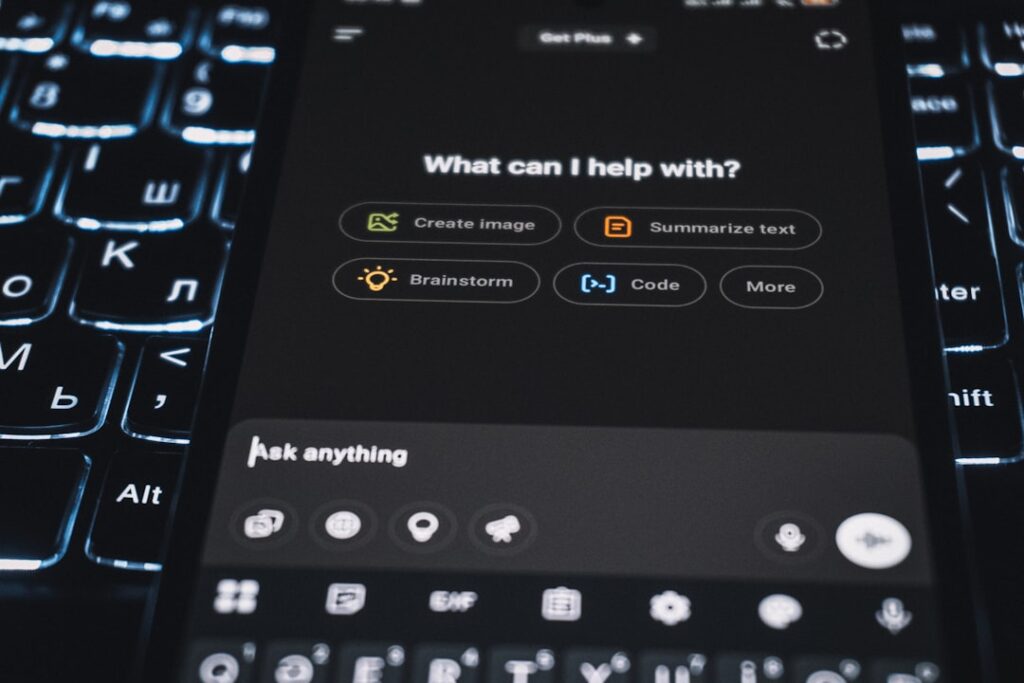
Discover how Emotion AI is transforming human-machine interactions, enhancing communication and user experiences with advanced AI voice technologies.
Introduction
In today’s digital era, human-machine interaction (HMI) has become an integral part of our daily lives. From virtual assistants to customer support chatbots, the ability of machines to understand and respond to human emotions is revolutionizing the way we engage with technology. Emotion AI, also known as affective computing, is at the forefront of this transformation, enabling more natural, empathetic, and effective interactions between humans and machines.
The Evolution of Emotion AI in Human-Machine Interaction
Advancements in AI Voice Generation and Text-to-Speech
The field of emotion AI has seen significant advancements, particularly in AI voice generation and text-to-speech (TTS) technologies. These innovations allow machines to produce speech that not only sounds natural but also conveys emotional nuances. Projects like the AI Voice Companion (AIVC) by ElevenLabs leverage cutting-edge voice generation technology to create realistic and customizable voice interactions, enhancing the overall human-machine experience.
Industry Trends and Research Developments
Recent trends indicate a growing emphasis on personalized and adaptive communication tools. Research focuses on integrating multiple emotion recognition techniques, such as facial expression analysis, voice tone assessment, and physiological signal interpretation, to accurately decode human emotions. These developments are crucial for creating AI systems that can engage users on a deeper, more meaningful level.
Key Components of Emotion AI in Enhancing Interactions
Emotion Recognition Technologies
Emotion recognition is a cornerstone of enhancing human-machine interactions. Current AI systems utilize various technologies to interpret emotions:
- Facial Expression Recognition: Analyzing visual data to identify emotional states based on facial cues.
- Voice Tone Analysis: Assessing vocal patterns and intonations to detect emotions from speech.
- Physiological Signals: Incorporating biometric data, such as heart rate and body temperature, to gain a comprehensive understanding of user emotions.
Emotional Intelligence Integration
Integrating emotional intelligence into AI involves enabling machines to not only recognize emotions but also respond appropriately. Techniques like sentiment analysis and context-aware algorithms allow AI systems to exhibit empathy, making interactions more engaging and personalized.
Applications of Emotion AI in Various Industries
AI Voice Companion for Enhanced Communication
The AI Voice Companion (AIVC) serves as a versatile tool across multiple sectors:
- Customer Support: Providing empathetic and contextually relevant responses to enhance user satisfaction.
- Content Creation: Assisting content creators in producing high-quality voiceovers and narrations with emotional depth.
- Education: Offering interactive and adaptive learning experiences tailored to students’ emotional needs.
- Interactive Gaming: Creating more immersive and emotionally responsive gaming environments.
Tailored User Experiences
By leveraging Emotion AI, businesses can offer more personalized experiences to their customers. For instance, customer service departments can use emotion-adaptive speech to better understand and address user concerns, while educational institutions can deploy AI-powered tools to engage students more effectively.
Benefits of Emotion AI in Human-Machine Interactions
Improved User Satisfaction and Engagement
Emotion AI significantly enhances user satisfaction by making interactions feel more natural and intuitive. Personalized responses based on emotional cues foster a sense of understanding and empathy, leading to higher engagement and loyalty.
Enhanced Decision-Making and Personalization
AI systems equipped with emotional intelligence can tailor their responses to individual user preferences and emotional states. This level of personalization not only improves the interaction experience but also supports better decision-making by aligning AI recommendations with user emotions.
Challenges and Ethical Considerations
Addressing Bias and Ensuring Fairness
One of the primary challenges in developing Emotion AI is mitigating biases in AI algorithms. Biased data can lead to inaccurate emotion recognition and inappropriate responses, undermining user trust and satisfaction.
Privacy Concerns and Ethical Implications
Emotion AI systems often require access to sensitive personal data, raising significant privacy concerns. Ensuring the ethical use of such technologies involves implementing robust data protection measures and establishing clear guidelines for their application.
Preserving User Autonomy
As Emotion AI becomes more sophisticated, there is a risk of diminishing user autonomy through manipulative interactions. Balancing the benefits of personalized experiences with the need to preserve individual freedom is crucial for the responsible development of Emotion AI.
Future Outlook: Trends and Innovations
Market Growth and Expansion
The global text-to-speech market is projected to reach around $6 billion by 2027, driven by the rising demand for automated systems and enhanced user experiences. This growth presents substantial opportunities for innovations in Emotion AI, particularly in areas like multilingual support and emotion-adaptive speech.
Potential Partnerships and Ecosystem Development
Future developments in Emotion AI will likely involve strategic partnerships with educational institutions, content platforms, and developers. Open APIs and collaborative ecosystems will foster continuous improvement and the creation of diverse use cases, further embedding Emotion AI into various aspects of human-machine interaction.
Conclusion
Emotion AI is redefining human-machine interactions by making them more natural, empathetic, and engaging. While the advancements in emotion recognition and emotional intelligence integration offer numerous benefits, addressing the associated challenges is essential for the ethical and effective deployment of these technologies. As Emotion AI continues to evolve, its potential to enhance communication and user experiences across different industries is immense, paving the way for a future where technology truly understands and responds to human emotions.
“The AI Voice Companion project addresses these challenges by providing naturally sounding voices capable of delivering contextually relevant and emotionally nuanced dialogues, bridging the gap between technology and human interaction.”
Get Started with Emotion AI Today
Ready to transform your human-machine interactions with cutting-edge Emotion AI? Visit ElevenLabs.io to explore our advanced AI voice technologies and take your communication to the next level.