Discover how integrating digital psychology into your funnels can enhance user engagement and drive higher conversion rates.
Introduction
In the competitive landscape of digital marketing, building effective sales funnels is crucial for converting visitors into loyal customers. By incorporating psychological funnel techniques, businesses can tap into the cognitive and emotional drivers of their audience, leading to higher engagement and conversion rates. This guide explores how digital psychology can be leveraged to enhance your funnels, ensuring a seamless journey from awareness to action.
Understanding Psychological Funnel Techniques
Psychological funnel techniques involve applying principles from psychology to design and optimize each stage of the sales funnel. These techniques focus on understanding user behavior, motivations, and decision-making processes to create a more personalized and effective conversion path.
The Stages of an Effective Sales Funnel
1. Draw Attention
Capturing the prospect’s attention is the first step in any funnel. This involves both external and internal efforts:
- External Attention: Utilize ads, SEO, social media campaigns, and referrals to drive traffic to your site.
- Internal Attention: Design your website to highlight key elements like call-to-action buttons using pre-attentive processing. This design tactic ensures that important elements stand out, guiding users effortlessly through the funnel.
2. Educate the Prospect
Once you’ve captured attention, it’s essential to inform the visitor about what you offer:
- Clear Value Proposition: Clearly communicate the benefits and features of your product or service.
- Content Marketing: Provide valuable content through articles, videos, and guides that help prospects understand how your offering solves their problems.
3. Motivate Prospects by Evoking Emotions
Emotional engagement is a powerful motivator:
- Loss Aversion: Highlight what users stand to lose if they don’t take action.
- Incentives: Showcase how your product can fulfill their needs and improve their lives, aligning with Maslow’s hierarchy of needs to connect on a deeper level.
4. Make the Decision-Making Process Easier
Simplify the decision-making process to prevent analysis paralysis:
- Limited Choices: Offer a few well-curated options to avoid overwhelming the prospect.
- Clear Benefits: Ensure that the advantages of choosing your product outweigh any perceived costs.
5. Show the Prospect That They Can Trust You
Building trust is paramount for conversions:
- Credibility Indicators: Display certifications, testimonials, and case studies to establish authority.
- Transparency: Provide clear contact information and demonstrate that your business is run by real people.
- Up-to-Date Information: Regularly update content to maintain credibility and demonstrate ongoing relevance.
6. Remove Friction
Minimize barriers that could hinder the conversion process:
- Streamlined Processes: Simplify forms, checkout processes, and navigation to reduce effort required from the user.
- User Experience: Ensure a seamless and intuitive experience across all devices and touchpoints.
7. Maintain Action and Encourage Loyalty
Encourage repeat engagement and foster loyalty:
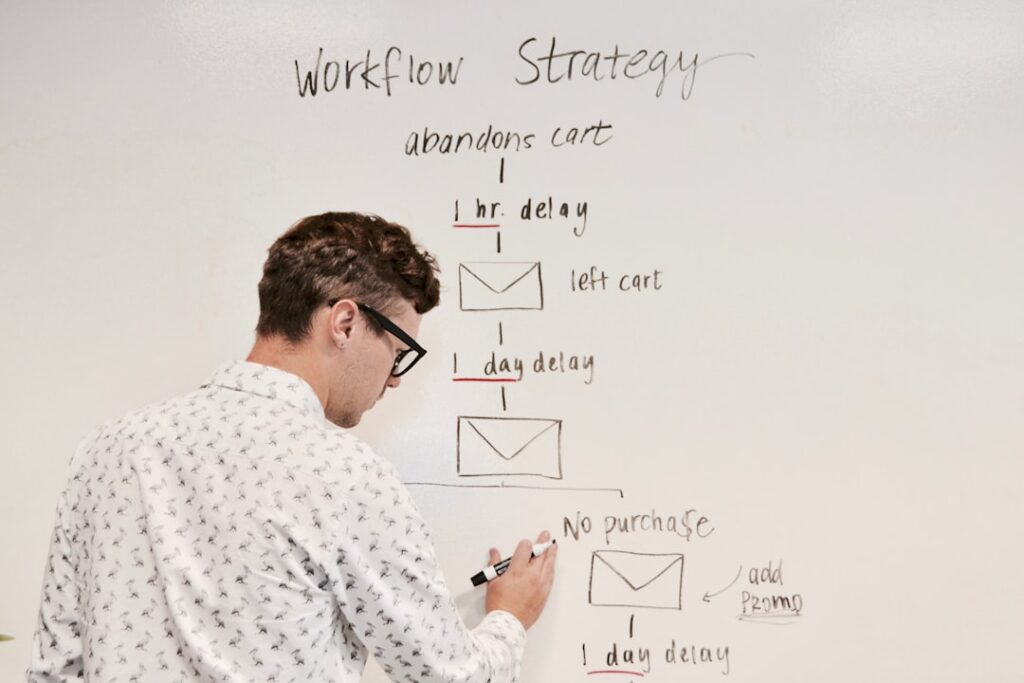
- Follow-Up Strategies: Utilize personalized emails and reminders to keep your brand top-of-mind.
- Loyalty Programs: Implement reward systems to incentivize repeat business and long-term relationships.
Implementing Digital Psychology into Your Funnels
Integrating digital psychology into your funnels involves:
- Behavioral Insights: Use data analytics to understand user behavior and preferences.
- Personalization: Tailor the user experience based on individual interactions and feedback.
- Interactive Tools: Incorporate quizzes, surveys, and calculators to engage users actively and gather valuable data for lead qualification.
Leveraging AI for Enhanced Funnel Performance
Artificial Intelligence (AI) can significantly enhance the effectiveness of psychological funnel techniques:
- Predictive Analytics: Use AI to anticipate user behavior and adjust funnel strategies in real-time.
- Automation: Automate personalized email campaigns and follow-ups to maintain consistent engagement.
- Smart Multi-Step Forms: Implement AI-driven forms that adapt based on user responses, improving lead qualification and conversion rates.
Best Practices for Higher Conversions
- A/B Testing: Continuously test different elements of your funnel to identify what resonates best with your audience.
- User Feedback: Collect and act on feedback to refine and improve the funnel experience.
- Continuous Improvement: Stay updated with the latest trends in digital psychology and integrate new techniques to keep your funnels effective.
Conclusion
Enhancing your sales funnels with digital psychology not only improves user engagement but also drives higher conversion rates. By understanding and applying psychological principles, businesses can create more effective and personalized funnel experiences that resonate with their target audience.
Ready to transform your sales funnels with advanced psychological techniques? Get started with Involve.me today and elevate your conversion strategies to new heights!
Call-To-Action
Boost your lead generation and conversion rates by integrating cutting-edge psychological funnel techniques. Visit Involve.me to build interactive, AI-powered funnels effortlessly.