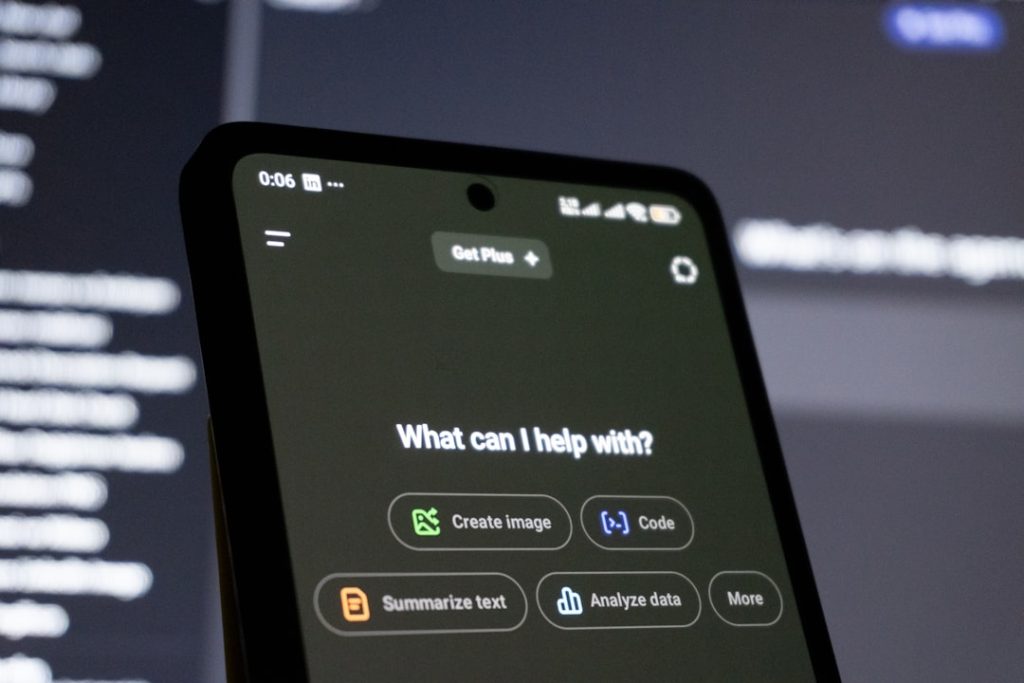
Discover how agentic workflows leverage autonomous AI agents to make decisions and manage tasks, transforming business processes with minimal human intervention.
Introduction
In the rapidly evolving landscape of AI-driven process automation, businesses are continuously seeking innovative solutions to enhance efficiency and maintain a competitive edge. Enter agentic workflows, a next-generation approach that harnesses the power of autonomous AI agents to streamline operations, make informed decisions, and manage tasks with minimal human oversight. As we approach 2025, understanding and implementing these advanced workflows can be a game-changer for enterprises aiming for sustainable growth and improved productivity.
What Are Agentic Workflows?
Agentic workflows represent a paradigm shift from traditional automation methods. Unlike robotic process automation (RPA), which relies on predefined rules and static processes, agentic workflows utilize autonomous AI agents that possess the ability to reason, plan, and adapt to dynamic environments. These AI agents can make independent decisions, execute tasks, and coordinate with other agents to handle complex workflows efficiently.
Key Differentiators from Traditional Automation
- Dynamic Adaptability: Agentic workflows can respond to real-time data and unexpected conditions, unlike RPA’s rigid structures.
- Multistep Problem Solving: AI agents approach challenges iteratively, breaking down complex processes into manageable steps.
- Continuous Learning: These workflows can refine their actions over time, improving operational efficiency through machine learning and feedback mechanisms.
How Agentic Workflows Work
Imagine a scenario where a company’s IT support chatbot is tasked with resolving employee issues. In a traditional setup, the chatbot follows a linear decision tree, offering predefined responses and escalating unresolved issues to human support. This method is effective for simple problems but falters when faced with complex, multifaceted challenges.
With an agentic workflow, the AI assistant adopts a more sophisticated approach:
- Understanding the Problem: The AI agent gathers comprehensive information by asking clarifying questions, such as “Are other devices connected to the network?” or “Did this issue start after a recent update?”
- Executing Diagnostic Steps: Based on the responses, the agent selects appropriate problem-solving actions like pinging the router, checking network logs, or suggesting specific settings changes.
- Adaptive Tool Use: If a server-side issue is detected, the agent can utilize internal monitoring APIs. For device-specific problems, it might retrieve driver updates or initiate a network reset script.
- Iterating Based on Results: Should an action fail to resolve the issue, the AI dynamically adjusts its strategy, cross-checking related problems or attempting alternative solutions instead of immediately escalating.
- Finalizing and Learning: Successful resolutions are logged for future reference, enhancing the agent’s troubleshooting capabilities. Unresolved issues are escalated with detailed reports, saving IT staff time and effort.
Components of Agentic Workflows
Agentic workflows are built upon several core components that enable their autonomous and intelligent operation:
AI Agents
At the heart of agentic workflows are AI agents—systems or programs capable of autonomously performing tasks by designing their workflows and utilizing available tools. These agents are essential for executing complex processes without constant human supervision.
Large Language Models (LLMs)
Large language models are pivotal for processing and generating natural language, allowing AI agents to understand and respond to human queries effectively. Fine-tuning parameters like temperature can enhance the quality and relevance of the outputs.
Tools
To extend the capabilities of AI agents beyond their training data, various tools are integrated, such as external datasets, web searches, and application programming interfaces (APIs). These tools enable agents to tailor their actions to specific use cases and access up-to-date information.
Feedback Mechanisms
Incorporating feedback mechanisms like human-in-the-loop (HITL) or interactions with other agents ensures continuous improvement in decision-making processes and output quality.
Prompt Engineering
Effective prompt engineering is crucial for optimizing agent performance. Techniques such as chain of thought (CoT), one-shot, zero-shot, and self-reflection help generative AI models comprehend and respond accurately to diverse queries.
Multiagent Collaboration
In complex environments, multiagent systems (MASs) facilitate communication and distributed problem-solving. Each agent can specialize in different domains, sharing learned information to enhance overall system efficiency.
Integrations
Seamless integration with existing infrastructure is vital for agentic workflows. This involves data consolidation into central databases and incorporating agent orchestration frameworks like LangChain, LangGraph, crewAI, and IBM’s BeeAI to achieve scalability and performance.
Impact of Agentic Workflows
The implementation of agentic workflows offers transformative benefits across various industries:
- Operational Efficiency: Automated and adaptive processes reduce the need for manual intervention, freeing up human resources for strategic tasks.
- Scalability: AI agents can handle increasing workloads without significant additional costs, supporting business growth.
- Informed Decision-Making: Real-time data processing and continuous learning enable more accurate and timely decisions.
- Enhanced Productivity: By automating routine and complex tasks, businesses can focus on innovation and core competencies.
Real-World Applications
Industries such as healthcare, finance, human resources, and software development are leveraging agentic workflows to optimize their operations. For instance, in IT support, AI agents can manage intricate troubleshooting processes, while in finance, they can handle complex transaction analyses and risk assessments.
The Future of AI-Driven Process Automation
As advancements in machine learning and natural language processing continue, AI-driven process automation will become increasingly sophisticated. Future iterations may incorporate advanced predictive capabilities, further streamlining decision-making processes and enhancing the adaptability of AI agents. Emphasizing user feedback will be essential for the continuous improvement and relevance of these solutions, ensuring they meet the evolving challenges of modern businesses.
Moreover, the integration of agentic workflows with cutting-edge technologies like gen AI and LLMs will unlock new potentials, driving innovation and providing significant competitive advantages to early adopters.
Conclusion
Agentic workflows represent the future of AI-driven process automation, offering businesses the tools to enhance efficiency, scalability, and decision-making through autonomous AI agents. By adopting these advanced workflows, enterprises can transform their operations, reduce reliance on manual processes, and focus on strategic growth initiatives. As we move towards 2025, embracing agentic workflows will be pivotal for organizations aiming to thrive in an increasingly automated and data-driven world.
Ready to revolutionize your business processes with cutting-edge AI solutions? Discover how Lemma can help and take the first step towards unparalleled operational efficiency.