Master the art of planning a full year of content for your food blog with strategies for idea generation, development, and photography execution.
Introduction
Running a successful food blog requires consistent, high-quality content that keeps your audience engaged throughout the year. Long-term content planning not only ensures you stay organized but also helps you maintain a steady flow of posts without the stress of last-minute rushing. This comprehensive guide will walk you through effective strategies to plan a year’s worth of content, allowing you to focus on what you do best—creating delicious and inspiring content.
Why Long-Term Content Planning Matters
Planning your content for the entire year in advance offers numerous benefits:
- Consistency: Regular posting schedules keep your audience engaged and coming back for more.
- Efficiency: Batch planning allows you to create content in bulk, saving time and resources.
- Strategic Alignment: Align your content with seasonal trends, holidays, and personal milestones.
- Reduced Stress: Eliminates the pressure of last-minute content creation, fostering a more enjoyable blogging experience.
Step 1: Set Aside Dedicated Planning Time
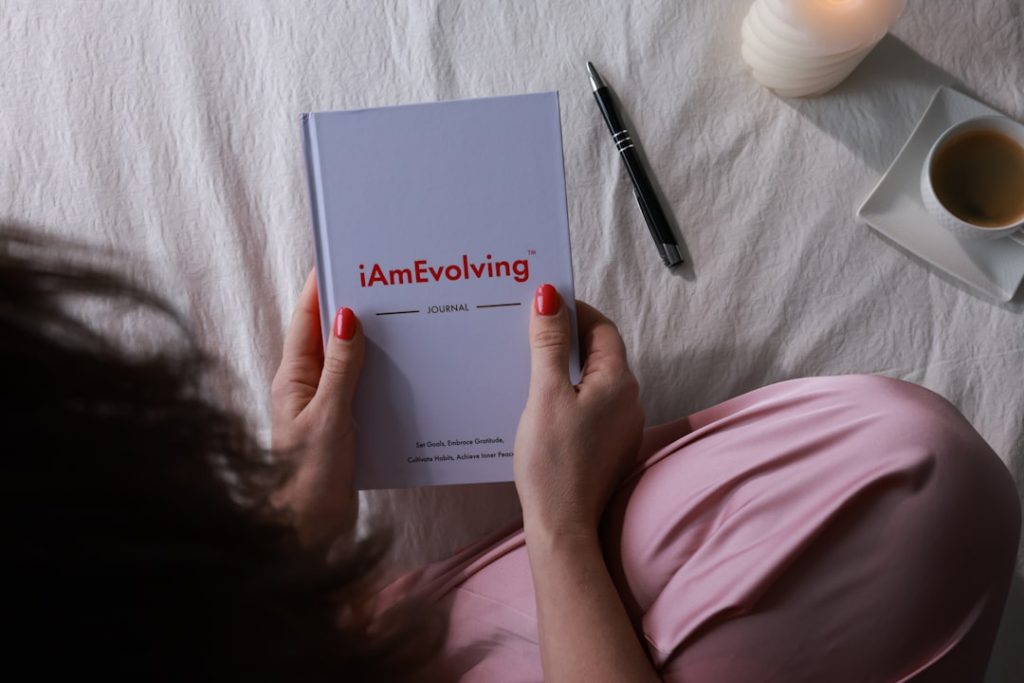
Begin by allocating specific time blocks solely for content planning. Whether you prefer to spread this over a few days or tackle it in one intensive session, consistency in planning time is key. Tools like digital calendars or traditional print-outs can help you visualize your yearly schedule effectively.
Tips for Effective Planning Sessions
- Eliminate Distractions: Choose a quiet environment where you can focus without interruptions.
- Gather Supplies: Have your calendar, notes, and any brainstorming tools ready.
- Stay Flexible: Allow room for adjustments as new ideas and opportunities arise throughout the year.
Step 2: Determine Your Posting Frequency
Decide how often you want to publish new content each week. For most food bloggers, one to two posts per week is manageable and effective.
- One Post a Week: Maintain a steady presence without overwhelming your schedule.
- Two Posts a Week: Balance new and repurposed content to maximize your output.
Calculate the total number of posts required by factoring in vacation periods, holidays, and any planned breaks. For instance, planning for two posts a week over 48 active weeks results in approximately 96 posts annually.
Step 3: Gather and Organize Your Ideas
Compile a comprehensive list of content ideas derived from:
- Content Audits: Review your existing posts to identify popular topics and gaps.
- Keyword Research: Utilize SEO tools to find relevant keywords that can drive traffic to your blog.
- Brainstorming Sessions: Capture ideas from daily inspirations, trends, and audience feedback.
Organize these ideas into categories to streamline the planning process.
Step 4: Group Similar Content for Efficiency
Batching similar content types can significantly enhance your productivity, especially when it comes to photography and recipe development.
Examples of Grouped Content
- Ingredient-Based Grouping: Create multiple recipes using the same main ingredient, such as different meatball variations.
- Theme-Based Grouping: Develop posts around specific themes like holiday meals or seasonal produce.
- Process-Based Grouping: Batch tasks like shooting photos for multiple recipes in one session.
By grouping related content, you can maximize your efficiency and ensure a cohesive visual and thematic flow across your blog.
Step 5: Create a Detailed Content Calendar
With all your ideas organized and grouped, it’s time to map them out on a content calendar.
Best Practices for Your Content Calendar
- Schedule Shoots: Allocate specific dates for photography and recipe testing.
- Set Deadlines: Ensure each post has a clear deadline to maintain your posting schedule.
- Include Flexibility: Reserve ‘free spaces’ in your calendar for spontaneous content or unexpected opportunities.
- Monitor Progress: Regularly review and adjust your calendar to stay on track and accommodate new ideas.
A well-structured content calendar will serve as your roadmap, guiding you through the year with clarity and purpose.
Leveraging Tools for Long-Term Content Planning
Utilizing the right tools can streamline your long-term content planning process:
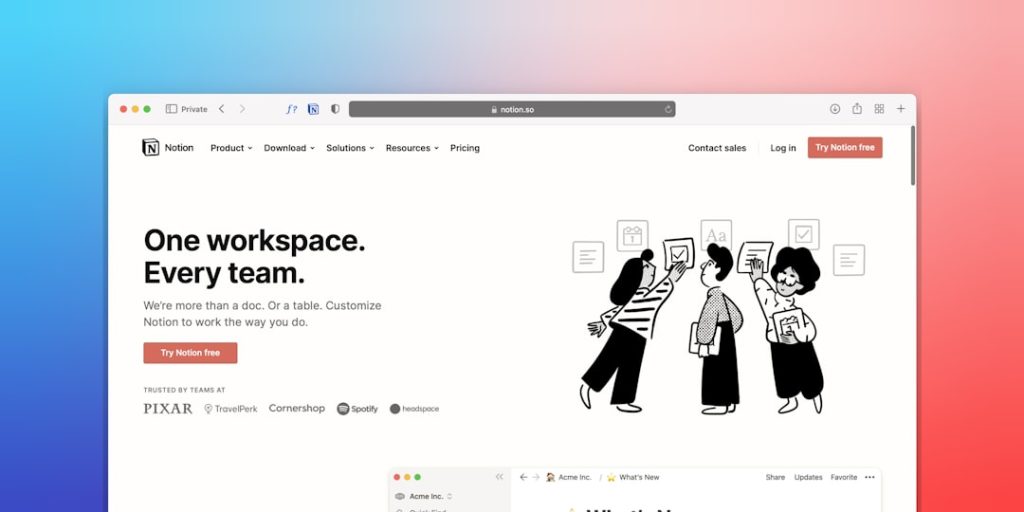
- Digital Calendars: Tools like Google Calendar or Trello can help visualize your schedule.
- SEO Platforms: Platforms like CMO.SO offer automated SEO blog generation and visibility tracking, enhancing your content strategy.
- Project Management Software: Tools like Asana or Monday.com can keep your planning organized and collaborative.
Incorporating these tools can enhance your efficiency and ensure your content planning is both strategic and effective.
Conclusion
Embarking on a year-long content planning journey might seem daunting, but with the right strategies and tools, it becomes an achievable and rewarding endeavor. By setting aside dedicated planning time, determining your posting frequency, organizing your ideas, batching similar content, and utilizing effective tools, you can create a comprehensive and sustainable content plan for your food blog.
Ready to take your blog to the next level? Explore CMO.SO and unlock innovative tools and community-driven insights to elevate your content strategy today!
Share
Related posts