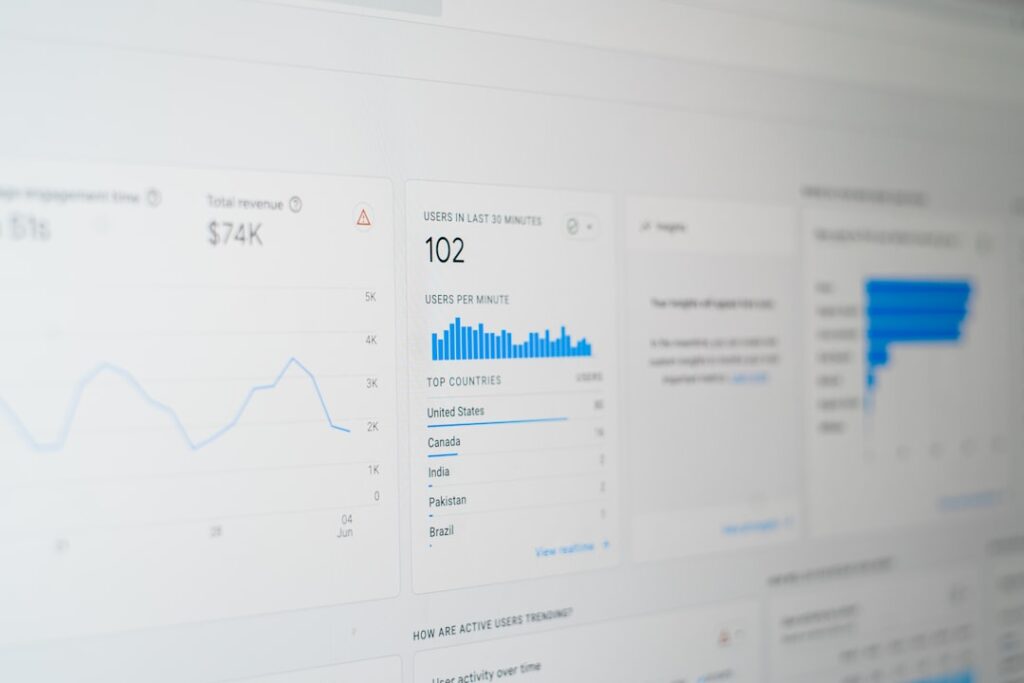
Unlock expert-level insights with our all-in-one SEO audit checklist, designed to enhance your website’s performance and boost search engine rankings.
Introduction
In the dynamic world of digital marketing, SEO auditing stands as a cornerstone for maintaining and improving your website’s visibility. Whether you’re an indie maker, a startup founder, or a first-time marketer, mastering the art of SEO auditing can significantly elevate your online presence. This comprehensive guide will walk you through the ultimate SEO audit checklist, ensuring your website is optimized for both search engines and users.
What is an SEO Audit?
An SEO audit is a systematic evaluation of a website’s adherence to best practices recommended by search engines. It involves analyzing various aspects of your site, including technical elements, on-page content, and off-page factors, to identify areas for improvement. Regular SEO audits help in maintaining the health of your website, ensuring it remains competitive in search engine rankings.
Importance of SEO Auditing
Conducting regular SEO audits is crucial for several reasons:
- Identify and Fix Issues: Uncover technical glitches that may hinder your site’s performance.
- Enhance User Experience: Improve site navigation, speed, and mobile-friendliness to retain visitors.
- Boost Search Rankings: Optimize content and backlinks to achieve higher positions in search results.
- Stay Updated: Adapt to the ever-evolving search engine algorithms and industry trends.
Ultimate SEO Audit Checklist
1. Technical SEO
Site Speed
- Analyze Load Times: Use tools like Google PageSpeed Insights to assess and improve your site’s loading speed.
- Optimize Images: Compress images without compromising quality to enhance load times.
- Minimize HTTP Requests: Reduce the number of elements on your page to streamline loading processes.
Mobile-Friendliness
- Responsive Design: Ensure your website is fully responsive across all devices.
- Mobile Usability: Check for issues like clickable elements being too close together or content wider than the screen.
Crawlability
- Robots.txt File: Verify that your robots.txt file is correctly configured to allow search engines to crawl your site.
- XML Sitemap: Ensure your sitemap is up-to-date and submitted to search engines.
Indexing
- Check Indexed Pages: Use the
site:yourdomain.comquery to see how many pages are indexed. - Canonical Tags: Implement canonical tags to prevent duplicate content issues.
HTTPS Status
- SSL Certificate: Confirm that your website uses HTTPS to secure user data.
- Mixed Content: Ensure all resources on your site load securely without mixed content warnings.
2. On-Page SEO
Content Quality
- Value and Relevance: Ensure your content provides value and is relevant to your target audience.
- Originality: Avoid duplicate content and strive for unique, informative articles.
Keyword Optimization
- Target Keywords: Incorporate primary and secondary keywords naturally within your content.
- Keyword Density: Maintain an optimal keyword density (~1.3%) to avoid keyword stuffing.
Meta Tags
- Title Tags: Craft compelling and keyword-rich title tags for each page.
- Meta Descriptions: Write concise and enticing meta descriptions that include target keywords.
URL Structure
- Clean URLs: Use short, descriptive URLs that include relevant keywords.
- Consistency: Maintain a consistent URL structure across your site for better navigation and indexing.
3. Off-Page SEO
Backlink Profile
- Quality Backlinks: Focus on acquiring backlinks from reputable and relevant websites.
- Disavow Toxic Links: Identify and disavow harmful backlinks that may negatively impact your rankings.
Social Signals
- Engagement Metrics: Monitor social media shares, likes, and comments as indicators of content performance.
- Shareability: Create content that encourages sharing and interaction on social platforms.
4. User Experience
Navigation
- Intuitive Layout: Design a user-friendly navigation system that allows visitors to find information easily.
- Internal Linking: Use internal links strategically to guide users through your site and distribute link equity.
Design
- Visual Appeal: Ensure your website has a clean, modern design that enhances readability and engagement.
- Accessibility: Make your site accessible to all users, including those with disabilities, by following WCAG guidelines.
Tools for SEO Auditing
Utilizing the right tools can streamline your SEO auditing process:
- Google Analytics: Track and analyze website traffic and user behavior.
- Google Search Console: Monitor your site’s presence in Google search results and identify issues.
- SEMrush: Conduct comprehensive SEO audits, keyword research, and competitor analysis.
- Ahrefs: Analyze backlink profiles and perform detailed site audits.
- Screaming Frog: Crawl your website to identify technical SEO issues.
Strategies to Improve SEO Based on Audit Findings
After completing your SEO audit, implement the following strategies to improve your website’s performance:
- Fix Technical Issues: Address site speed, mobile-friendliness, and crawlability problems identified during the audit.
- Optimize Content: Enhance your on-page SEO by refining content quality, keyword usage, and meta tags.
- Strengthen Backlinks: Build a robust backlink profile by acquiring links from authoritative sources.
- Enhance User Experience: Improve site navigation, design, and accessibility to retain and convert visitors.
- Monitor Progress: Regularly track your SEO metrics to measure the effectiveness of your optimizations.
How CMO.SO Can Help with SEO Auditing
At CMO.SO, we specialize in democratizing SEO and AI marketing through our innovative platform. Our GEO Visibility Tracker allows you to monitor your website’s performance across AI-powered search engines effortlessly. With features like automated blog generation and a community-driven learning environment, CMO.SO equips non-marketers with the tools and insights needed to excel in digital marketing. Join our community to leverage collective intelligence and stay ahead in the evolving landscape of SEO auditing.
Conclusion
Mastering SEO auditing is essential for maintaining a competitive edge in the digital marketplace. By following this comprehensive checklist, you can identify and address critical areas that impact your website’s performance and search engine rankings. Embrace the tools and strategies discussed, and consider leveraging platforms like CMO.SO to enhance your SEO efforts. Start your journey towards a more optimized and successful website today!
Share
Related posts