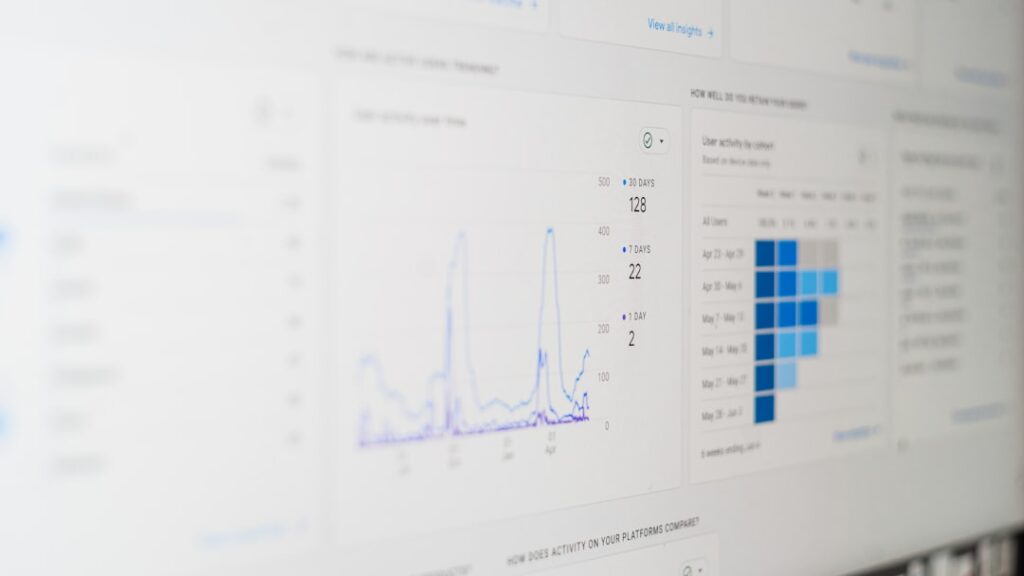
Discover how data analytics can elevate your product management skills, enabling informed decisions and superior product performance.
Introduction
In today’s rapidly evolving digital landscape, making informed data-driven decisions is crucial for successful product management. Leveraging analytics strategies not only enhances decision-making processes but also drives superior product performance and customer satisfaction. This guide delves into the essentials of data-driven product management, offering proven analytics strategies to help you master this critical aspect of modern business.
The Importance of Data-Driven Decision Making
Embracing a data-driven approach allows product managers to:
- Understand customer needs through comprehensive data analysis.
- Optimize product features based on user behavior and feedback.
- Increase efficiency by focusing on data-backed priorities.
- Enhance product performance through continuous monitoring and improvement.
By grounding decisions in solid data, businesses can stay ahead of the competition and better meet customer expectations.
Data Collection and Analysis in Product Management
Defining Key Performance Indicators (KPIs)
The foundation of data-driven decisions lies in identifying and tracking the right KPIs. Common KPIs in product management include:
- Customer Satisfaction (CSAT)
- Retention Rate
- Conversion Rate
- Net Promoter Score (NPS)
- Lifetime Value (LTV)
These metrics provide a clear picture of product performance and customer engagement.
Collection Sources
Data collection begins with defining KPIs and gathering information from various sources:
- Surveys and User Interviews: Gain direct feedback from customers.
- Website Analytics: Monitor user interactions and behavior.
- Customer Support Tickets: Identify common issues and areas for improvement.
- Transactional Data: Analyze sales trends and customer purchases.
Build-Measure-Learn Framework
The Build-Measure-Learn (BML) framework is pivotal for iterating and improving products. It involves:
- Building a feature or product.
- Measuring its performance against defined KPIs.
- Learning from the data to make informed adjustments.
This cyclical process ensures continuous improvement and alignment with customer needs.
Types of Data in Product Management
User Data
Understanding user behavior is essential for creating products that resonate with your audience. Key user metrics include:
- Net Promoter Score (NPS)
- Retention Rate
- Churn Rate
- Customer Acquisition Cost (CAC)
- Lifetime Value (LTV)
- Monthly Recurring Revenue (MRR)
Product Data
Product data provides insights into how users interact with your product. Important aspects include:
- Pricing Strategies
- Sales Data
- User Flows
- Bounce Rates
- Heatmaps
Market Research
Market research helps you understand the competitive landscape and identify opportunities:
- Market Viability
- Feature Demand
- Pricing Policies
- Effective Positioning
Overcoming Data Challenges
Data-driven decision-making is not without its challenges. Common hurdles include:
- Overreliance on a Single Metric: Avoid focusing solely on one KPI to prevent missing critical insights.
- Data Misinterpretation: Ensure accurate analysis by contextualizing data appropriately.
- Data Integration: Seamlessly incorporating data from multiple sources can be complex.
- Balancing Quantitative and Qualitative Data: Combining numerical data with customer feedback provides a holistic view.
Utilizing intelligent tools and fostering a data-centric culture can mitigate these challenges effectively.
Making Better Product Decisions with Data
Identifying Patterns and Trends
Analyzing data to uncover recurring patterns helps in forecasting and strategic planning. Techniques include:
- Predictive Modeling
- Machine Learning Algorithms
- Trend Analysis
Determining Customer Behavior
Understanding how customers interact with your product informs strategic decisions:
- User Research: Conduct focus groups and usability testing.
- Behavioral Analysis: Track feature usage and purchasing decisions.
Identifying Areas for Improvement
Continuous improvement is driven by:
- Customer Feedback Analysis
- User Testing Data
- Feature Audits
Addressing pain points enhances user experience and reduces churn.
Creating Data-Driven Roadmaps
Developing a product roadmap based on data ensures alignment with business goals:
- Prioritize Features: Based on customer needs and revenue potential.
- Align with Strategic Goals: Ensure that development efforts support long-term objectives.
- Communicate Clearly: Use data visualizations to present the roadmap effectively to stakeholders.
Best Practices for Data-Driven Product Management
- Conduct Comprehensive Research: Market, customer, and competitor analysis.
- Map User Personas: Understand and tailor products to target audiences.
- Define and Track Metrics: Establish clear KPIs and OKRs.
- Develop Robust Data Pipelines: Ensure seamless data access for all teams.
- Promote Data Literacy: Foster a culture that values data-driven decision-making.
- Regularly Update Roadmaps: Adjust strategies based on the latest data insights.
Tools for Data-Driven Decisions
Equipping yourself with the right tools is essential for effective data analysis:
Indicative
An advanced product analytics platform that connects directly to your data warehouse, offering actionable insights across the customer journey without the need for coding.
Coupler.io
A data automation and analytics platform that helps businesses become data-driven by automating data manipulations and building live dashboards.
Tableau
A powerful data visualization tool that enables users to access, analyze, and share data insights efficiently.
Conclusion
Embracing data-driven decisions in product management is fundamental to creating products that meet customer needs and drive business growth. By leveraging comprehensive data collection, robust analysis, and proven analytics strategies, product managers can make informed decisions that enhance product performance and user satisfaction. Establishing a data-centric culture and utilizing the right tools are key to sustaining this approach and achieving long-term success.
Unlock the potential of data-driven product management and propel your business forward.
Share
Related posts