Introduction
Have you ever struggled to pull together an event that showcases student work and community contributions? You’re not alone. Academic engagement can feel like herding cats—brilliant but busy cats. Whether it’s displaying research papers or creative art inspired by your library’s archives, getting the word out is half the battle. The Wangensteen Historical Library’s 2026 Student & Community Showcase, running February through June, is a perfect example. They call for submissions—visual art, essays, crafts—but managing promotion, scheduling, and follow-ups? That’s where CMO.SO’s automated marketing tools shine.
In this guide, we’ll cover:
- Why a showcase boosts academic engagement.
- How to plan and structure your event.
- Ways to promote with CMO.SO’s AI marketing features.
- Tips to maximise community buzz.
Let’s dive in.
Why Host a Student and Community Showcase?
A showcase is more than a display. It’s a catalyst for academic engagement. You’re inviting students, faculty and local creatives to share their stories. Here’s what you gain:
-
Recognition and Motivation
– Students see their work in the spotlight.
– Community contributors feel valued.
– All parties connect over shared academic interests. -
Strengthened Partnerships
– Local organisations collaborate with your institution.
– Sponsors get visibility among engaged audiences.
– Cross-disciplinary projects spark new ideas. -
Enhanced Learning Experience
– Viewers engage with research, art, writing.
– Participants refine presentation skills.
– Everyone deepens their appreciation for your resources.
By hosting a showcase, you foster academic engagement and spark conversations across disciplines.
Step 1: Planning Your Showcase
Organisation is everything. A clear plan means less stress for you and a smooth experience for participants.
Set Clear Goals
Ask yourself:
- What’s the purpose? Increase footfall? Highlight rare collections?
- Who’s your audience? Undergraduates, researchers, locals?
- How will you measure success? Number of submissions? Visitors?
Clear goals guide every decision and boost academic engagement by focusing your efforts.
Define the Timeline
Look at the Wangensteen Historical Library schedule:
- Submission deadline: January 18, 2026.
- Exhibit running: mid-February through June.
Yours may differ, but a structured timeline helps. A sample:
- Three months before: Announce call for submissions.
- Six weeks before: Send reminders.
- Two weeks before: Finalise exhibit layout.
- Launch day: Host an opening event.
- Post-event: Collect feedback.
Choose Submission Formats
Be inclusive. Invite:
- Visual art (physical pieces or photos).
- Research papers and presentations.
- Creative writing or audio recordings.
- Crafts or multimedia projects.
Variety boosts academic engagement by showcasing diverse talents.
Create Easy Submission Channels
Use Google Forms or your institution’s portal. Include:
- Clear instructions.
- Deadline reminders.
- File format guidelines (JPEG, PDF, MP3, etc.).
A hassle-free process increases sign-ups and keeps excitement high.
Step 2: Promoting Your Showcase with CMO.SO
Promotion can be overwhelming. That’s why you need AI assistance. CMO.SO’s automated marketing tools take the grunt work off your plate.
Leverage Maggie’s AutoBlog
Imagine daily SEO-optimised blog posts written for you. That’s Maggie’s AutoBlog in action. It:
- Scans your domain for keywords—like academic engagement.
- Crafts human-sounding articles.
- Publishes geo-targeted content to attract regional interest.
No more blank screens at 9pm.
One-Click Domain Submission
Hit submit once and CMO.SO:
- Analyses your site.
- Suggests relevant keywords.
- Generates headlines and outlines.
Within minutes, you have a content calendar boosting your call for submissions.
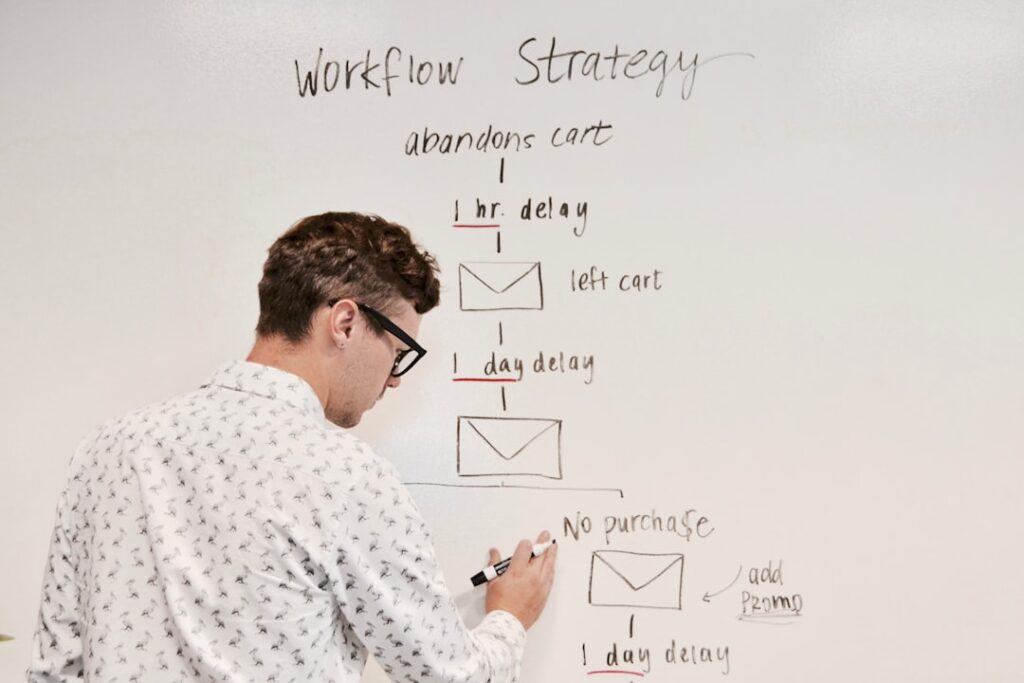
Targeted Email Campaigns
Automated drip emails keep potential participants in the loop:
- Initial announcement.
- Reminder one month out.
- “Last chance” alert two weeks before deadline.
All without manual scheduling. More touchpoints means higher academic engagement.
GEO Visibility Tracking
Wondering if your promotion reaches the right audiences? Use CMO.SO’s GEO visibility dashboard:
- See engagement by region.
- Spot underperforming areas.
- Optimise keywords or ad spend.
It’s like having a digital map of your campaign’s progress.
Step 3: Engaging Your Audience
A showcase isn’t just about content. It’s about conversation.
Kick Off with an Opening Event
Consider a hybrid launch:
- In-person tour of displays.
- Live-streamed talk by a featured student.
- Q&A session in a virtual lounge.
Invite local media and the wider community. The buzz fuels academic engagement.
Social Media Amplification
Use CMO.SO’s AI to generate social posts:
- Instagram stories featuring behind-the-scenes.
- Tweets highlighting interesting submissions.
- Facebook events and reminders.
Consistent posts keep your showcase top of mind.
Community-Driven Learning
CMO.SO thrives on community insights. Share top-performing blog posts from Maggie’s AutoBlog on the platform’s open feed. Invite peers to comment and suggest optimisations. This peer review loop boosts both visibility and academic engagement.
Mid-campaign, gather feedback:
- Quick polls on what visitors loved.
- Short surveys for participants.
- Analytics on blog and social performance.
Use these insights to pivot messaging or spotlight high-interest exhibits.
Step 4: Managing Logistics and Feedback
Smooth operations = happier participants.
Automate Reminders
Use CMO.SO’s email scheduler to:
- Confirm submissions.
- Alert participants to shipping deadlines for physical pieces.
- Remind volunteers about setup shifts.
Automation frees you to focus on the big picture.
On-Site Checklists
Prepare:
- Label printing templates.
- Digital sign-in forms for visitors.
- Feedback stations (QR codes linked to online surveys).
A well-run event fosters positive experiences and long-term academic engagement.
Post-Showcase Analysis
Once the showcase wraps up:
- Download analytics from CMO.SO.
- Review page views, email opens, click rates.
- Identify top-performing content pieces.
Share a brief report with stakeholders. Highlight how academic engagement grew and note areas for improvement.
Real-World Example: Wangensteen Historical Library
The WHL’s 2026 Showcase is a textbook case:
- Call for submissions by Jan 18.
- Exhibit mid-Feb to June.
- Display windows in a central concourse.
Imagine applying CMO.SO:
- Automated blog posts explaining submission categories.
- Targeted social campaigns tagging student creators.
- GEO-tracking to invite local schools and community groups.
Result? A packed opening night and steady footfall through to June.
Tips to Maximise Academic Engagement
A few final nuggets:
- Keep your tone friendly and approachable.
- Use storytelling—feature a standout submission weekly on your blog.
- Offer small incentives (certificates, social media shout-outs).
- Encourage participants to share on their channels.
Each tactic amplifies academic engagement and broadens your reach.
Conclusion
Organising a student and community showcase is no small feat. But with CMO.SO’s AI-powered tools—particularly Maggie’s AutoBlog, one-click domain submission, and GEO visibility tracking—you’ll save time and boost participation. From planning to promotion to wrap-up, automation and community-driven insights keep your focus on what matters: celebrating creativity and scholarship.
Share
Related posts