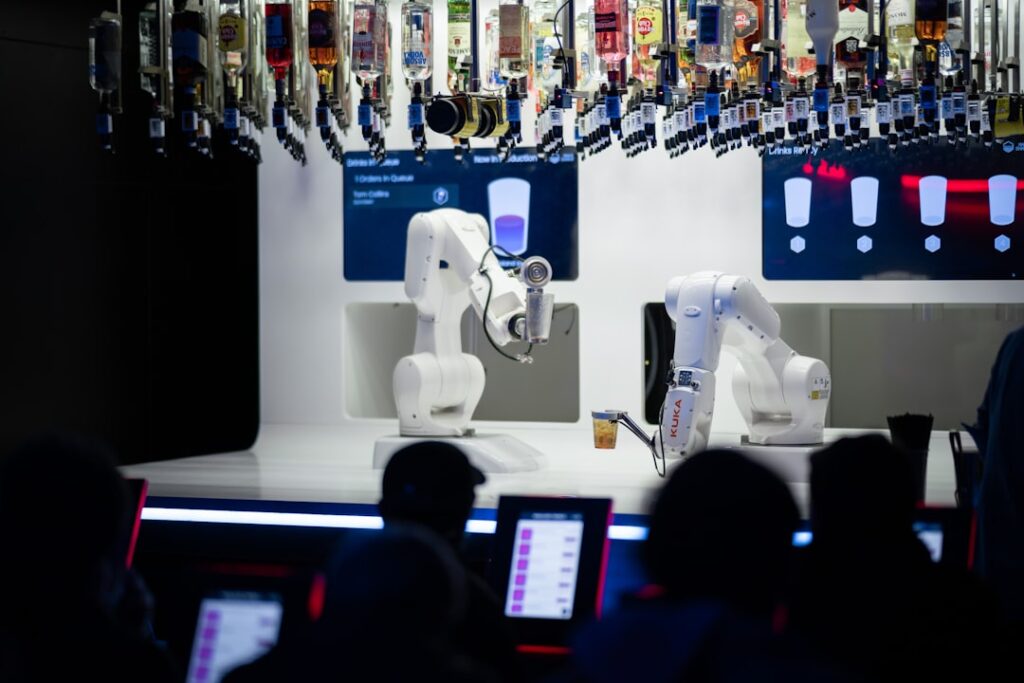
Explore how educators can leverage automation and artificial intelligence in 2024 to streamline tasks, enhance teaching, and focus on what truly matters.
Introduction
The educational landscape is rapidly evolving, with artificial intelligence (AI) and automation playing pivotal roles in shaping the future of teaching and learning. In 2024, AI teaching solutions are becoming indispensable tools for educators seeking to enhance their instructional methods, manage administrative tasks efficiently, and foster meaningful connections with students. This blog explores effective strategies for integrating AI and automation into education, ensuring educators can focus on what truly matters: inspiring and nurturing the next generation.
The Benefits of AI and Automation for Educators
Streamlining Administrative Tasks
One of the most significant advantages of AI teaching solutions is their ability to handle time-consuming administrative duties. Tasks such as grading, scheduling, and record-keeping can be automated, freeing up valuable time for educators to concentrate on lesson planning and student engagement. By reducing the burden of these routine activities, AI allows teachers to maintain a healthy work-life balance and prevent burnout.
Enhancing Teaching and Learning
AI-driven tools can provide personalized learning experiences tailored to each student’s unique needs. Adaptive learning platforms analyze student performance and adjust the curriculum accordingly, ensuring that every learner progresses at their own pace. Additionally, AI can facilitate interactive and immersive educational experiences through virtual reality (VR) and augmented reality (AR), making complex subjects more accessible and engaging.
Focusing on Core Educational Priorities
With automation handling the mundane aspects of teaching, educators can dedicate more time to creative and impactful activities. Building relationships with students, developing innovative lesson plans, and fostering a supportive classroom environment become more feasible. AI teaching solutions empower teachers to prioritize their core responsibilities, enhancing the overall quality of education.
Strategies for Implementing AI Teaching Solutions in 2024
Utilizing Automation Tools and Templates
Implementing AI in the classroom begins with adopting automation tools that simplify various processes. For instance, creating templates for lesson plans, grading rubrics, and communication can significantly reduce preparation time. Tools like Google Apps Script allow educators to design custom automations that cater to their specific needs, ensuring consistency and efficiency in their workflow.
Leveraging AI for Personalized Learning
Personalization is at the heart of effective education. AI teaching solutions can analyze individual student data to identify strengths and areas for improvement. This information enables educators to tailor their instructional strategies, providing additional resources or challenges where necessary. Platforms like Magic School and QuestionWell offer AI-powered features that support differentiated instruction, helping every student achieve their potential.
Building Relationships with AI Assistance
While AI excels at managing data and automating tasks, it cannot replace the human touch essential in education. Instead, AI should be viewed as a supportive tool that enhances the teacher-student relationship. By handling administrative duties, AI allows educators to invest more time in understanding their students’ needs, providing personalized feedback, and fostering a collaborative learning environment.
Overcoming Challenges and Ethical Considerations
Maintaining the Human Element
The integration of AI in education should complement, not replace, the role of educators. It’s crucial to maintain the human element by using AI to support teaching rather than delegating fundamental responsibilities. Educators should focus on areas where human intuition, empathy, and creativity are irreplaceable, ensuring that technology serves as an aid rather than a substitute.
Ethical Use of AI
As with any technology, the ethical use of AI in education is paramount. Educators must ensure that AI tools are used responsibly, safeguarding student data privacy and preventing biases in AI algorithms. Transparency in how AI decisions are made and involving stakeholders in the implementation process can help address ethical concerns and build trust within the educational community.
Conclusion
AI teaching solutions are revolutionizing the education sector, offering educators the tools they need to enhance teaching effectiveness, manage workloads, and create personalized learning experiences. By strategically integrating AI and automation into their practices, educators can focus on what truly matters: inspiring and supporting their students’ academic and personal growth.
Ready to transform your educational approach with cutting-edge AI solutions?
Discover how CMO.so can elevate your online presence and streamline your marketing efforts today!
Share
Related posts