Artificial Intelligence (AI) is revolutionizing the landscape of Pay-Per-Click (PPC) marketing. As businesses strive to optimize their advertising strategies, AI offers both unprecedented opportunities and notable challenges. In this article, we delve into expert opinions on the potential and limitations of AI in PPC marketing, providing a comprehensive overview to help you enhance your campaign effectiveness.
The Potential of AI in PPC Marketing
Enhanced Targeting and Personalization
AI-driven PPC marketing excels in processing vast amounts of data to identify and target the most valuable audiences. Tools like Meta’s Advantage+ Audiences leverage machine learning to refine targeting parameters, ensuring ads reach individuals most likely to convert. This level of precision not only improves campaign efficiency but also maximizes return on investment (ROI).
Key Benefits:
– Improved Audience Segmentation: AI analyzes user behavior and demographics to create detailed audience profiles.
– Dynamic Ad Placements: Automated systems adjust ad placements in real-time to optimize visibility and engagement.
– Predictive Analytics: AI forecasts consumer behaviors, enabling more informed bidding strategies and budget allocations.
Creative Optimization
AI facilitates the creation of dynamic ads that resonate with target audiences. By generating multiple creative variations, AI tools can identify which ad elements perform best, allowing marketers to refine their messaging for maximum impact. Platforms like Google Ads’ Performance Max campaigns utilize AI to tailor creatives based on user interactions, enhancing the overall effectiveness of advertising efforts.
Advantages Include:
– Automated A/B Testing: AI continuously tests different ad versions to determine the most effective combinations.
– Real-Time Adjustments: Creatives are updated dynamically based on performance data, ensuring ads remain relevant.
– Scalability: Marketers can deploy numerous ad variations without the need for extensive manual input.
Measuring and Analyzing Results
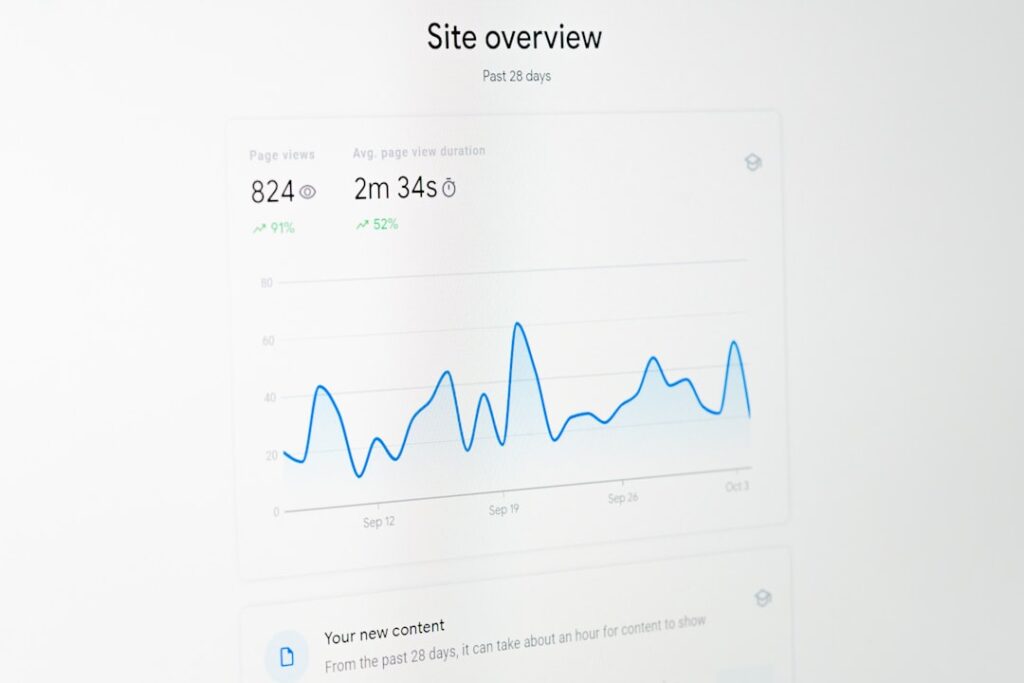
AI-powered tools offer advanced analytics and reporting capabilities, providing deep insights into campaign performance. By leveraging data-driven insights, advertisers can pinpoint successful strategies and areas needing improvement, facilitating more effective campaign adjustments.
Features:
– Comprehensive Dashboards: AI consolidates performance metrics into easily interpretable dashboards.
– Trend Analysis: Identifies emerging patterns and shifts in consumer behavior.
– Automated Reporting: Generates detailed performance reports, saving time and resources.
The Limitations of AI in PPC Marketing
Dependence on AI Quality
While AI can significantly enhance PPC marketing, its effectiveness is contingent on the quality of the underlying data and algorithms. Poorly configured AI systems may lead to inaccurate targeting or ineffective ad placements, undermining campaign goals.
Challenges:
– Data Quality: Inaccurate or incomplete data can skew AI insights and decision-making.
– Algorithm Bias: AI models may inherit biases from their training data, affecting ad targeting fairness.
– Over-Reliance: Sole dependence on AI may neglect the nuanced understanding that human marketers bring to campaigns.
Homogenization of Content
The automation capabilities of AI can sometimes result in homogenized ad content, making it difficult for brands to stand out in a saturated market. As more advertisers adopt similar AI tools, the uniqueness of creative content may diminish, reducing overall campaign impact.
Potential Issues:
– Lack of Creativity: AI-generated content may lack the originality and emotional resonance that human creativity provides.
– Brand Consistency: Ensuring AI-generated ads align with brand voice and identity can be challenging.
– Consumer Fatigue: Overexposure to generic ads can lead to decreased engagement and higher ad blindness.
Balancing Automation and Human Creativity
Achieving the right balance between AI automation and human creativity is crucial for successful PPC marketing. While AI can handle repetitive tasks and data analysis, human oversight is essential to infuse campaigns with creativity and strategic thinking.
Strategies for Balance:
– Hybrid Approach: Combine AI-driven automation with human-led creative processes.
– Continuous Monitoring: Regularly review AI-generated insights and outcomes to ensure alignment with business goals.
– Creative Oversight: Utilize human expertise to refine and enhance AI-generated content, maintaining brand uniqueness.
Case Studies: Real-World Applications
Performance Max Campaigns by Google
Google’s Performance Max campaigns exemplify the integration of AI in PPC marketing. By utilizing machine learning, these campaigns optimize ad placements across various channels, driving higher engagement and conversion rates. Advertisers have reported significant improvements in ROI and audience reach, showcasing the potential of AI-powered PPC strategies.
AI-Driven Personalized Ad Campaigns
Several businesses have leveraged AI to create hyper-personalized ad campaigns. By analyzing consumer data, AI tools tailor ad content to individual preferences and behaviors, resulting in more relevant and effective advertising. These campaigns have demonstrated higher click-through rates and better customer engagement compared to traditional PPC methods.
How CMO.so Enhances AI PPC Marketing
CMO.so stands at the forefront of AI PPC marketing by offering a no-code, fully automated platform designed for solo founders, small teams, and marketing agencies. With the capability to generate over 4,000 microblogs per month, CMO.so automates the labor-intensive aspects of SEO/GEO marketing, ensuring your PPC campaigns are supported by high-quality, optimized content.
Key Features:
– Automated Content Generation: Produces tailored content that enhances PPC campaign relevance and effectiveness.
– Performance Filtering: Analyzes content performance to highlight top-performing posts, maximizing your campaign’s impact.
– SEO Integration: Ensures all content is optimized for search engines, improving overall visibility and engagement.
– Scalability: Adapts to your business needs, making it an ideal solution for growing startups and marketing agencies.
By integrating CMO.so into your PPC marketing strategy, you can harness the full potential of AI while mitigating its limitations, achieving a balanced and effective advertising approach.
Conclusion
AI PPC marketing offers remarkable opportunities to enhance targeting, creative optimization, and performance analysis. However, it is essential to recognize and address its limitations, such as dependence on data quality and the risk of content homogenization. By striking the right balance between automated processes and human creativity, businesses can leverage AI to its fullest potential, driving more effective and impactful PPC campaigns.
Embrace the future of PPC marketing with AI-driven strategies and innovative solutions like CMO.so to elevate your campaign performance and achieve your business goals.
Boost Your PPC Strategies with CMO.so Today!
Unlock the full potential of AI PPC Marketing with CMO.so’s automated and intelligent solutions. Visit CMO.so now to transform your PPC campaigns and drive remarkable business growth.
Share
Related posts