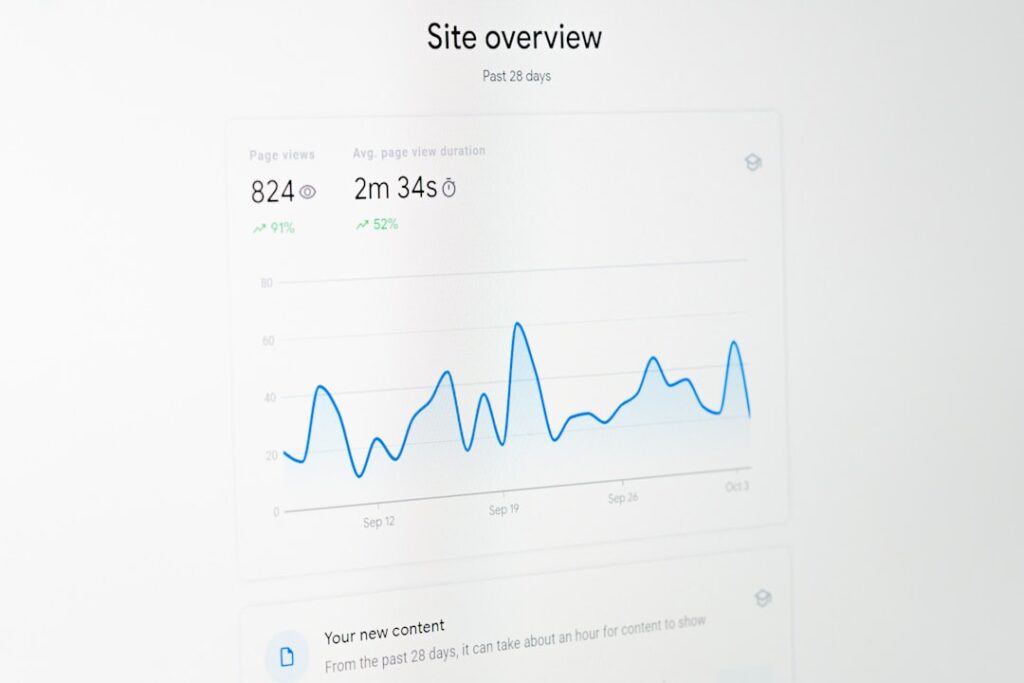
Understanding SEO Performance Metrics
First up, let’s define what we mean by SEO performance metrics. Think of them as the gauges on your marketing dashboard. They tell you where you stand—and where you need to go.
- Organic Traffic: How many visitors landed via non-paid search?
- Keyword Rankings: Your positions for target terms in search engines.
- Click-Through Rate (CTR): The ratio of clicks to impressions.
- Bounce Rate & Time on Page: Are people sticking around or bouncing off?
- Backlink Profile: Quantity and quality of sites pointing to you.
- Domain Authority: A composite score of trust and credibility.
- Conversion Rate (Organic): How many search visitors complete your goals?
- Community Engagement Score: (Unique to CMO.SO) How your content resonates in community feeds.
- GEO Visibility: (Unique) Your search visibility across regions and devices.
Each metric paints part of the picture. Together, they reveal the story of your SEO health and success.
Pro tip: You need both “lagging” metrics (like organic traffic growth) to evaluate past efforts and “leading” metrics (like technical site health) to inform future optimisations.
Traditional Tools vs AI-Driven Community Analytics: A Side-by-Side Comparison
Many teams rely on established platforms like Google Analytics, Ahrefs and Semrush. They’re solid. But they also come with gaps. Let’s compare:
Traditional SEO Tools
Strengths
– Proven, enterprise-grade analytics.
– Comprehensive backlink and keyword databases.
– Widely adopted; plenty of tutorials and support.
Limitations
– Data latency: often 24–48 hour delays.
– Steep learning curve for non-techies.
– Siloed insights: traffic, rankings and content are separate tabs.
– No built-in content generation or community feedback loops.
CMO.SO’s AI-Driven Solution
Strengths
– Automated daily content via Maggie’s AutoBlog, tailored to your domain.
– Real-time community analytics dashboard: instant feedback on engagement, trends and top performers.
– GEO visibility tracking: monitor search visibility by region, device and language.
– One-click domain submission: get started in under 2 minutes.
– Community learning model: peer insights, open feed of campaigns and best practices.
– Easy for non-marketers: intuitive, no coding or complex setups.
Limitations (so you know the full picture)
– Relatively new platform: community still growing in certain niches.
– Focus on SMEs and non-tech users; enterprise-level customisation is in roadmap.
The takeaway? You can keep juggling multiple tabs and tools—or embrace a single platform that automates content creation, surfaces the most critical SEO performance metrics and harnesses community wisdom.
Key SEO Performance Metrics to Track with CMO.SO
Here’s how CMO.SO helps you monitor and optimise each key metric:
1. Organic Traffic Growth
See daily trends. Spot spikes when new AI-generated articles pull in visitors. Check quality by comparing traffic with time-on-page.
2. Keyword Ranking Shifts
Track how your priority keywords (branded and non-branded) rise and fall. Maggie’s AutoBlog suggests fresh, relevant long-tails to boost rankings.
3. Click-Through Rate (CTR)
CMO.SO’s analytics highlight which titles and meta descriptions drive clicks. Use A/B testing recommendations to fine-tune hooks.
4. Bounce Rate & Engagement
Beyond time-on-page, see scroll depth and community reactions (likes, comments). Low engagement? Dive into peer feedback on the campaign feed.
5. Backlink Profile Evolution
Automated backlink alerts let you know when new sites link to your content. Score each link by domain authority.
6. Domain Authority Trends
Compare week-on-week scores. Identify patterns when community-generated content boosts your trust signals.
7. Conversion Rate (Organic)
Set goals for form submissions, downloads or sign-ups. CMO.SO ties conversions back to the exact piece of content and the time it was published.
8. Community Engagement Score
Unique to CMO.SO: a composite metric that combines reactions, shares and comments to surface top-performing content. Quickly identify what resonates and replicate success.
9. GEO Visibility Changes
See how your site ranks in different countries, languages or device types. Spot opportunities to localise content or adjust for mobile-first search.
By tracking these SEO performance metrics together, you get a complete 360° view of your SEO efforts—and know exactly where to focus next.
How to Use Maggie’s AutoBlog to Enhance Your Metrics
One standout CMO.SO feature is Maggie’s AutoBlog. Here’s how to leverage it:
-
Submit Your Domain
One click. Maggie crawls your site and industry keywords. -
Set Your Preferences
Choose target topics, tone and posting frequency. -
Automate Daily Posts
Maggie generates unique, SEO-optimised articles with embedded keyword suggestions. -
Monitor Performance
In your dashboard, track organic traffic, rankings and community engagement for each post. -
Iterate Quickly
Underperforming posts? Use peer insights and AI-based headline tweaks to boost CTR and reduce bounce rates.
By automating content creation, you free up time to analyse SEO performance metrics—not scramble to write blog posts at midnight.
Real-Time Community Analytics for Deeper Insights
Traditional tools show data. CMO.SO’s community analytics show why the data moves. Here’s how:
- Open Campaign Feed: See top campaigns from peers. Filter by region, industry or metric.
- Engagement Heatmaps: Visualise which sections of your posts drive the most reactions.
- Peer Q&A: Ask questions directly on a campaign page. Get tips on improving meta descriptions or internal linking.
- Benchmarking: Compare your metrics against community averages for quick reality checks.
This collaborative layer means you’re never guessing. Best practices emerge organically—and you can apply them to your next article instantly.
Setting Goals and Taking Action
To get the most from your SEO performance metrics, follow a simple routine:
-
Define Your North Star Metric
Choose one lagging indicator—organic conversions, for example. -
Identify Supporting Metrics
Pick 2–3 health metrics such as bounce rate, technical score or engagement. -
Set SMART Action Items
– What will you do?
– When?
– Who’s responsible?
– Expected impact? -
Review Weekly with Your Team
Use CMO.SO’s dashboards in your meetings. Align on insights and next steps. -
Iterate Monthly
Celebrate wins. Tackle underperforming areas with Maggie’s AutoBlog and community suggestions.
Stick to this cadence, and you’ll move the needle faster than relying on outdated monthly reports.
Ready to track, analyse and optimise your SEO performance metrics like never before? Start your free trial at CMO.SO and see how AI-driven community analytics and Maggie’s AutoBlog can transform your SEO game.
Explore our features → https://cmo.so/
Get a personalised demo → https://cmo.so/
Share
Related posts