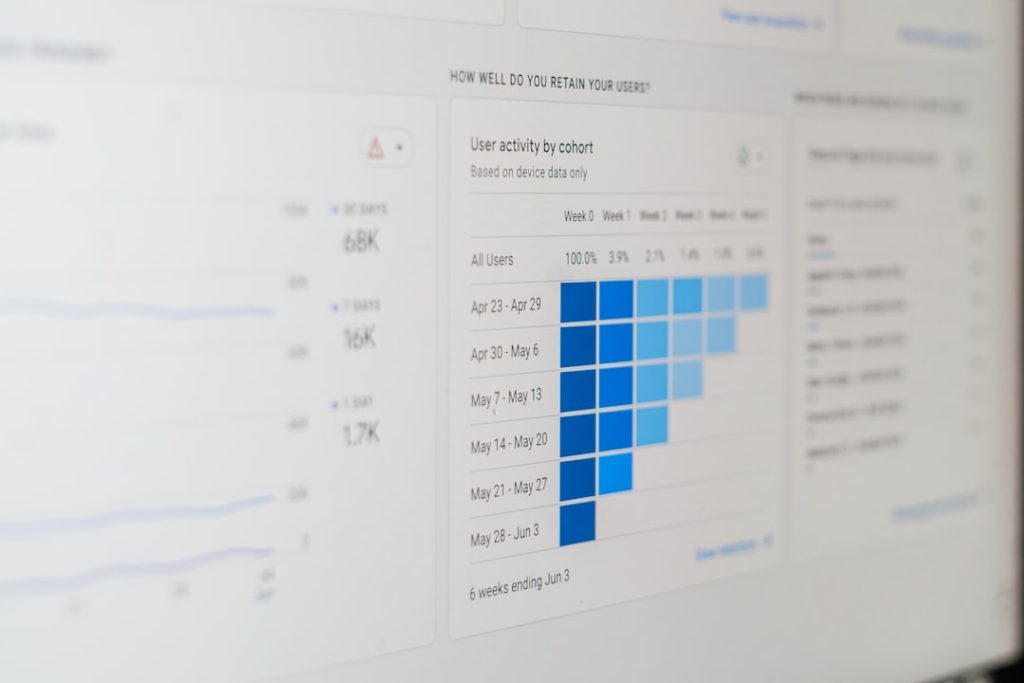
Discover how a data-driven approach transforms patient care, enhancing safety and quality in healthcare settings through effective data-driven decisions.
Introduction
In today’s rapidly evolving healthcare landscape, ensuring patient safety and delivering high-quality care are paramount. Healthcare data analytics has emerged as a pivotal tool in achieving these goals, enabling healthcare providers to make informed, evidence-based decisions. By leveraging vast amounts of patient data, hospitals and clinics can optimize clinical pathways, anticipate risks, and improve overall patient outcomes.
The Importance of Healthcare Data Analytics
Healthcare data analytics involves the systematic analysis of health-related data to uncover meaningful patterns and insights. This process encompasses various data sources, including electronic health records (EHRs), medical imaging, laboratory results, and even patient-generated data from wearable devices. By harnessing this data, healthcare organizations can:
- Enhance Decision-Making: Data-driven insights enable clinicians to make more accurate diagnoses and tailor treatment plans to individual patient needs.
- Improve Operational Efficiency: Analyzing operational data helps identify bottlenecks and optimize resource allocation, reducing wait times and improving patient flow.
- Boost Patient Outcomes: By monitoring and analyzing patient data in real-time, healthcare providers can proactively address potential complications, leading to better health outcomes.
How Data-Driven Approaches Enhance Patient Safety
Patient safety is a critical component of healthcare quality. Healthcare data analytics plays a vital role in identifying and mitigating risks that could compromise patient safety. Here’s how:
Risk Identification and Mitigation
By analyzing historical patient data, healthcare providers can identify common risk factors associated with adverse events. For instance, patterns in medication errors or surgical complications can highlight areas needing improvement. Predictive analytics can forecast potential risks, allowing for proactive interventions.
Monitoring and Alerts
Real-time data analytics systems can monitor patient vitals and other critical parameters, triggering alerts when anomalies are detected. This immediate feedback helps healthcare professionals respond swiftly to prevent complications, ensuring continuous patient safety.
Standardizing Clinical Pathways
Data analytics helps standardize clinical pathways by analyzing successful treatment protocols and outcomes. This standardization ensures that all patients receive evidence-based care, reducing variability and enhancing safety across different care settings.
Improving Quality of Care through Data Analytics
Quality of care encompasses various aspects, including effectiveness, efficiency, and patient-centeredness. Healthcare data analytics contributes to quality improvement in several ways:
Personalized Medicine
Data analytics facilitates personalized medicine by analyzing genetic information, lifestyle factors, and clinical history to tailor treatments to individual patients. This personalized approach increases the efficacy of treatments and minimizes adverse reactions.
Performance Benchmarking
Healthcare organizations can use data analytics to benchmark their performance against industry standards and peers. By comparing key performance indicators (KPIs) such as readmission rates and patient satisfaction scores, hospitals can identify areas for improvement and implement targeted strategies.
Continuous Quality Improvement
Data analytics supports continuous quality improvement by providing ongoing feedback on clinical practices and outcomes. Healthcare providers can use these insights to refine protocols, implement best practices, and ensure sustained quality enhancements over time.
Real-World Applications and Case Studies
Case Study 1: Enhancing Orthopedic Care
A hospital implemented a data-driven model to improve the safety and quality of orthopedic surgeries. By analyzing patient data from admission to discharge, the hospital identified critical risk factors that led to surgical complications. This analysis enabled the development of standardized clinical pathways, reducing complication rates and improving patient recovery times.
Case Study 2: Reducing Readmission Rates
Another healthcare facility utilized healthcare data analytics to address high readmission rates for patients with chronic conditions. By analyzing EHRs, the hospital identified common factors contributing to readmissions, such as medication non-adherence and inadequate follow-up care. Implementing targeted interventions based on these insights resulted in a significant decrease in readmission rates, enhancing overall patient care quality.
Challenges and Future of Healthcare Data Analytics
While healthcare data analytics offers numerous benefits, several challenges must be addressed to fully realize its potential:
Data Privacy and Security
Ensuring the privacy and security of patient data is paramount. Healthcare organizations must comply with regulations such as HIPAA and implement robust security measures to protect sensitive information from breaches and unauthorized access.
Data Integration and Interoperability
Integrating data from diverse sources and ensuring interoperability between different healthcare systems can be complex. Standardizing data formats and adopting interoperable platforms are essential for seamless data sharing and comprehensive analysis.
Skill Gaps and Training
Effective utilization of healthcare data analytics requires specialized skills in data science and clinical informatics. Training healthcare professionals to interpret and act on data-driven insights is crucial for successful implementation.
Future Trends
Looking ahead, advancements in artificial intelligence (AI) and machine learning (ML) are poised to revolutionize healthcare data analytics. These technologies can enhance predictive modeling, automate routine tasks, and provide deeper insights into patient care dynamics. Additionally, the integration of real-time data from IoT devices and wearable technology will further enrich data sources, enabling more precise and timely interventions.
Conclusion
Healthcare data analytics is transforming the way patient care is delivered by enhancing safety and quality through informed, data-driven decisions. By leveraging comprehensive data analysis, healthcare providers can identify risks, personalize treatments, and continuously improve care protocols. As the healthcare industry continues to embrace digital transformation, the role of data analytics will become increasingly integral to delivering exceptional patient outcomes.
“In the rapidly changing landscape of healthcare, a data-driven approach is not just beneficial—it is essential for ensuring patient safety and delivering high-quality care.”
Explore how your healthcare organization can harness the power of data analytics to revolutionize patient care and operational efficiency. Visit CMO.SO to learn more about our innovative solutions.
Share
Related posts