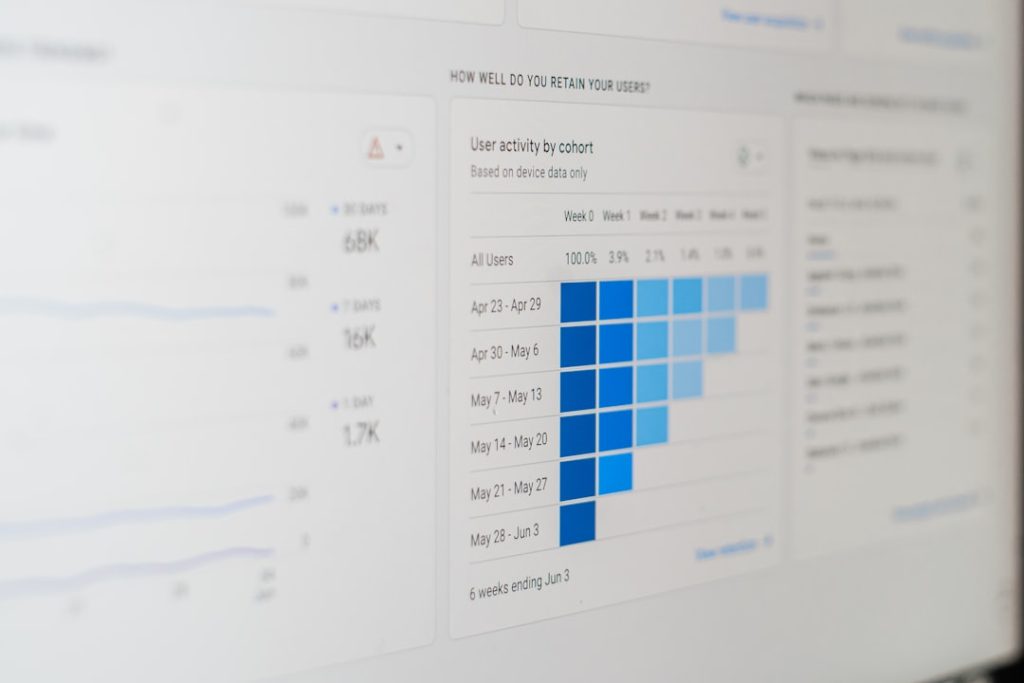
Explore the fundamentals of SEO monitoring and discover the best tracking tools to enhance your website’s performance and outpace competitors.
Introduction
In today’s digital landscape, staying ahead of the competition requires more than just great content and a user-friendly website. SEO monitoring techniques are essential for understanding your website’s performance, identifying opportunities, and making informed decisions to boost your search engine rankings. This comprehensive guide delves into the fundamentals of SEO monitoring and highlights top tracking tools that can elevate your website’s visibility and effectiveness.
Whether you’re an indie maker, a startup founder, a first-time marketer, or an SEO beginner, mastering SEO monitoring is crucial for achieving sustained online success. Let’s explore the strategies and tools that can help you optimize your SEO efforts and outperform your competitors.
What is SEO Monitoring? The Backbone of Marketing Success
At its core, SEO monitoring involves continuously tracking and analyzing key metrics that influence your website’s search engine rankings and organic traffic. This proactive approach allows you to:
- Assess Visibility: Understand how your website appears in search results.
- Track Rankings: Monitor the positions of your target keywords.
- Analyze Traffic: Evaluate the volume and quality of your organic traffic.
- Identify Issues: Detect and resolve technical and content-related SEO problems.
- Optimize Performance: Make data-driven adjustments to enhance your SEO strategy.
SEO monitoring is not a one-time task but an ongoing process that ensures your website remains competitive and adapts to the ever-evolving search engine algorithms.
Setting Up Effective SEO Monitoring: Your Roadmap to Success
Establishing a robust SEO monitoring system is the first step toward achieving your marketing goals. Here’s how to get started:
Selecting the Best SEO Tools
Choosing the right tools is crucial for effective SEO monitoring. Here are some top-tier options:
-
Google Analytics: Essential for tracking website traffic, user behavior, and conversions. It’s a free tool that’s easy to set up and provides comprehensive insights.
-
Google Search Console: Offers data on your site’s presence in search results, identifies technical issues, and tracks keyword rankings. Another free and indispensable tool for SEO monitoring.
-
Ahrefs: A powerful tool for backlink analysis, keyword research, and competitor analysis. It provides deep insights into your SEO performance and strategies.
-
SEMRush: An all-in-one platform offering keyword tracking, backlink analysis, and site auditing. It’s ideal for comprehensive SEO monitoring and competitive analysis.
-
Moz: Known for its domain authority metrics and on-page optimization features, Moz helps in understanding your website’s authority and optimizing content for better rankings.
Additionally, platforms like CMO.SO offer innovative features such as AI-powered blog generation and GEO visibility tracking, enhancing your SEO monitoring capabilities with community-driven insights.
Establishing Baseline Metrics and Goals
Before diving into SEO monitoring, define your key performance indicators (KPIs) aligned with your business objectives. Common KPIs include:
- Keyword Rankings: Track the positions of your target keywords over time.
- Organic Traffic: Measure the number of visitors coming from search engines.
- Bounce Rate: Assess the percentage of visitors who leave your site after viewing only one page.
- Click-Through Rate (CTR): Monitor the ratio of users who click on your link in search results to the total number who view it.
- Backlinks: Evaluate the quantity and quality of external links pointing to your website.
Setting clear goals and baseline metrics provides a reference point for measuring your SEO progress and success.
Identifying and Addressing SEO Issues: Clearing the Path to Success
Even with the best strategies, SEO challenges can arise. Effective monitoring helps in identifying and addressing these issues promptly.
Detecting Technical SEO Problems
Technical SEO issues can severely impact your website’s visibility. Common problems include:
- Broken Links: Ensure all internal and external links are functioning correctly.
- Crawl Errors: Use tools like Google Search Console to identify and fix errors that prevent search engines from crawling your site.
- Slow Page Speed: Optimize images, leverage browser caching, and minimize code to improve load times.
- Mobile Optimization: Ensure your website is responsive and provides a seamless experience across all devices.
Diagnosing Content-related SEO Challenges
Content is a pivotal aspect of SEO. Challenges may include:
- Keyword Optimization: Ensure your content targets the right keywords without overstuffing.
- Content Quality: Provide valuable, in-depth information that meets user intent.
- Duplicate Content: Use canonical tags and unique content to avoid duplication issues.
By addressing these content-related challenges, you can enhance your site’s relevance and authority in search results.
Leveraging SEO Monitoring for Competitive Analysis: Gaining the Competitive Edge
Understanding your competitors’ SEO strategies is essential for staying ahead. SEO monitoring allows you to:
- Track Competitors’ Keyword Rankings: Identify which keywords your competitors rank for and uncover gaps in your own strategy.
- Analyze Backlink Profiles: Discover the sources of your competitors’ high-quality backlinks and replicate successful link-building tactics.
- Identify Content Gaps: Find topics your competitors haven’t covered or areas where you can provide more comprehensive information.
Tools like Ahrefs and SEMRush are invaluable for conducting thorough competitive analyses, providing insights that can inform and enhance your own SEO strategies.
Analyzing SEO Monitoring Data: Transforming Insights into Action
Collecting data is only the first step; analyzing it to extract actionable insights is where the real value lies.
Utilizing Google Analytics and Google Search Console
These tools offer a wealth of data to inform your SEO decisions:
- Google Analytics: Analyze user behavior, traffic sources, and conversion rates to understand how visitors interact with your site.
- Google Search Console: Monitor search performance, track keyword rankings, and identify indexing issues.
Interpreting Metrics and Data Trends
Understanding the context behind your data is crucial. Look for patterns such as:
- Seasonal Trends: Identify peak periods and adjust your content strategy accordingly.
- User Behavior: Analyze metrics like session duration and pages per session to enhance user experience.
- Content Performance: Determine which content types and topics resonate most with your audience.
Using Data to Inform SEO Strategy and Decision-making
Leverage your data insights to:
- Refine Keyword Targeting: Focus on high-performing keywords and explore new opportunities.
- Improve User Experience: Optimize site navigation, enhance mobile responsiveness, and speed up page load times.
- Enhance Content Strategy: Create more of what works and fill in the gaps where needed.
- Optimize Link-building Efforts: Target authoritative sites for backlinks and foster relationships within your industry.
Ongoing SEO Monitoring and Optimization: A Path to Sustained Success
SEO is a dynamic field that requires continuous monitoring and optimization to maintain and improve rankings.
Implementing Regular SEO Audits and Reviews
Conduct periodic audits to:
- Identify New Issues: Stay ahead of potential problems by regularly checking your site’s health.
- Update Content: Refresh outdated content to keep it relevant and engaging.
- Optimize Web Pages: Continuously tweak on-page elements to improve SEO performance.
Adjusting Strategies Based on Monitoring Results
Use your monitoring data to:
- Adapt to Algorithm Changes: Stay informed about search engine updates and adjust your strategies accordingly.
- Optimize Underperforming Areas: Focus on areas that need improvement to enhance overall SEO effectiveness.
- Capitalize on Successes: Amplify tactics that have proven successful to drive further growth.
Staying Updated with Industry Changes and Algorithm Updates
The SEO landscape evolves rapidly. To stay competitive:
- Follow Industry News: Keep up with the latest trends and best practices.
- Participate in SEO Communities: Engage with other SEO professionals to share insights and strategies.
- Leverage Advanced Tools: Utilize platforms like CMO.SO that incorporate AI and community-driven insights to stay ahead of the curve.
Integrating SEO Monitoring with Other Marketing Channels: Amplifying Your Success
A holistic marketing approach ensures that all channels work synergistically to enhance your overall strategy.
Aligning SEO Monitoring with Social Media and Content Marketing
- Social Media: Track the performance of your social campaigns and their impact on website traffic. Use insights to optimize your social strategy.
- Content Marketing: Analyze how your content influences SEO metrics and adjust your content strategy to maximize impact.
Leveraging SEO Data for Paid Advertising Campaigns
Integrate SEO insights with your paid campaigns by:
- Selecting High-performing Keywords: Use organic keyword data to inform your paid search strategies.
- Optimizing Landing Pages: Enhance landing pages based on SEO data to improve conversions from paid traffic.
Maximizing SEO’s Impact on Overall Marketing Strategy
Utilize SEO monitoring data to:
- Allocate Resources Effectively: Focus on strategies and channels that yield the highest ROI.
- Prioritize High-impact Areas: Identify and invest in areas with the greatest potential for growth and visibility.
Conclusion: Maximize the Impact of Monitoring SEO
In the ever-evolving world of digital marketing, effective SEO monitoring techniques are essential for maintaining and enhancing your website’s performance. By continuously tracking key metrics, addressing SEO issues, analyzing competitive landscapes, and integrating insights across marketing channels, you can achieve sustained online success.
Embracing tools and platforms like CMO.SO can further elevate your SEO efforts by providing automated content generation, GEO visibility tracking, and a collaborative community-driven learning environment. Equip yourself with the right strategies and tools to transform your SEO monitoring into a powerful driver of growth and visibility.
Ready to take your SEO monitoring to the next level? Join our community at CMO.SO and start optimizing your website’s performance today!
Unlocking the Future of Marketing with CMO.SO
Discover how CMO.SO is revolutionizing SEO and AI marketing, empowering non-marketers to become confident creators through innovative tools and a vibrant community. Visit CMO.SO to learn more.
Share
Related posts