Why AI-Powered Website Builders Matter in 2026
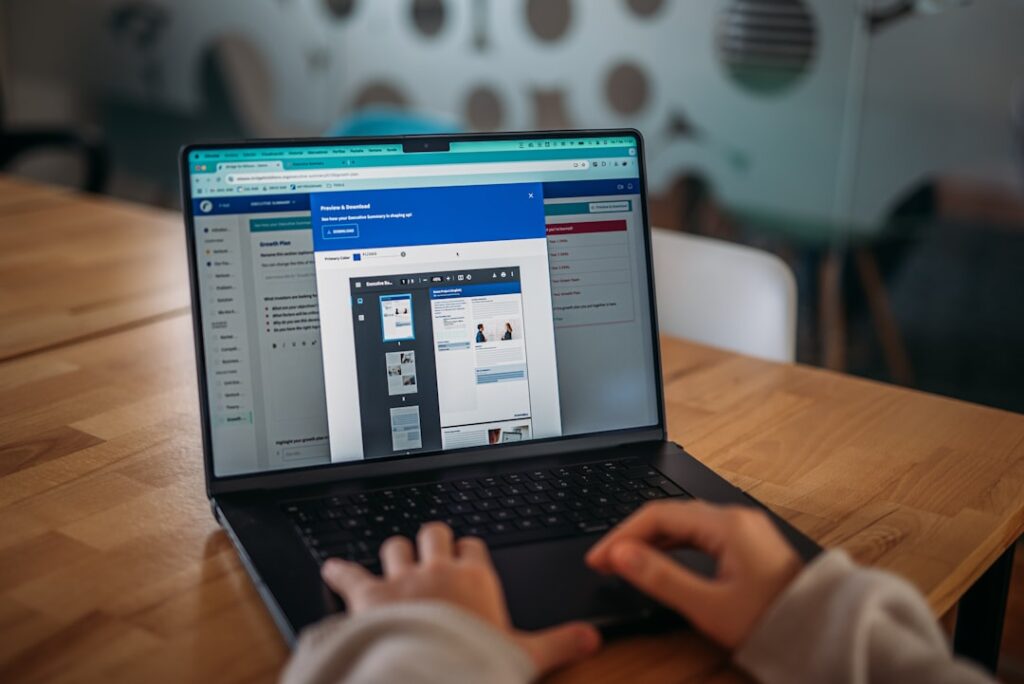
If you’re reading this, you’re probably hunting for an edge. The web is crowded. SEO rules change every month. AI-powered website builders promise to automate the heavy lifting. They help you research keywords, generate meta descriptions and even optimise images. But not all tools deliver the same punch.
That’s where a community-driven approach like CMO.SO hits differently. Imagine daily AI-crafted blog posts for your domain. A group of peers giving real feedback. Real data on what ranks in modern, AI-led search. Suddenly, SEO isn’t a chore. It’s a conversation.
This guide covers five top AI-powered website builders of 2026. We’ll be candid about what they do well and where they fall short. We’ll also show how integrating CMO.SO can fill the gaps—using Maggie’s AutoBlog, our high-priority AI content generator.
1. Wix – Best All-in-One AI SEO Package
Wix has long been a front-runner for DIY websites. In 2026, it’s doubled down on AI. From keyword suggestions to a personalised AI checklist, it covers the basics and beyond.
What we like:
– AI meta tag creator crafts titles and descriptions in seconds.
– Semrush integration brings advanced keyword data right into your dashboard.
– Custom SEO logic can be applied across multiple pages at once.
– SEO Learning Hub offers video courses and webinars.
What we don’t:
– Site speed has dipped in tests. Pages sometimes lag.
– The sheer number of settings can overwhelm beginners.
– Premium plan required for some AI tools.
How CMO.SO helps:
– Maggie’s AutoBlog generates daily SEO-rich posts that match your niche. No need to wrestle with the AI checklist every day—you get fresh copy automatically.
– Real-time feedback from the community on which headlines and keywords perform best.
– GEO visibility tracking to see where your pages actually rank.
2. Squarespace – SEO Support For Creatives
Squarespace excels at sleek design. In 2026, it added AI features without messing with its simple interface.
Highlights:
– Automatic schema markup builds rich snippets without manual code.
– Search preview tool shows exactly how your page appears on Google.
– Google Search Console integration surfaces real keyword queries.
– Social media auto-share pushes new posts to your networks.
Drawbacks:
– Limited third-party SEO plugins compared to competitors.
– Some design elements produce odd heading structures.
– Site speed still lags behind lightweight platforms.
Community edge:
– CMO.SO’s open feed lets you see top-performing Squarespace sites. Rip off their structure, tweak with AI, and watch your traffic grow.
– Use Maggie’s AutoBlog to fill a portfolio or blog template with geo-targeted, niche-specific content daily.
– Engage with fellow creative SMEs to compare on-page tweaks in a friendly space.
3. Hostinger – Lightweight Speed & AI SEO Assistant
Hostinger has always been about value. Its 2026 update added a robust AI SEO assistant that feels like a chat with your smartest friend.
Strengths:
– Best site speed among competitors.
– Automated sitemaps and performance tweaks.
– AI SEO assistant suggests title tags, meta descriptions and keywords.
– Affordable pricing for startups and side hustles.
Weaknesses:
– AI SEO assistant only on higher-tier plan.
– Lacks schema markup options.
– Hiding SEO settings can frustrate newbies.
Where CMO.SO fits in:
– Bridge the schema gap. Pull community-verified schema templates and apply them in seconds.
– Let Maggie’s AutoBlog take over content creation. Hostinger’s builder is fast, so you can publish daily posts without a slowdown.
– Tap into community insights to find which keywords convert best for your region in Europe.
4. Shopify – Best for Ecommerce AI SEO
Shopify is king if you sell online. In 2026, its AI tools focus on product descriptions and on-page tweaks.
Pros:
– Shopify Magic writes SEO-friendly product copy.
– Ecommerce Booster (with Semrush) adds AI description editor and alt-text generator.
– Auto-generated canonical tags prevent duplicate content.
– Deep integrations with marketing apps.
Cons:
– Heavy reliance on third-party apps for advanced SEO.
– No manual sitemap editing.
– Slow site speed compared to pure-play web hosts.
Community advantage:
– Use CMO.SO to crowdsource product title tests across dozens of stores.
– Maggie’s AutoBlog can spin up category-focused blog posts that drive organic traffic to your shop.
– Transparent dashboards show you which AI-written descriptions pull in customers, so you know what works.
5. GoDaddy – Quick & Simple SEO Wizard
GoDaddy’s AI goal is ease. Its SEO wizard asks simple questions, then optimises site titles, descriptions and local listings. Perfect if you want to get online fast.
Good:
– Built-in SEO wizard guides you step-by-step.
– Social media scheduling and AI post creator.
– Expert support option if you want a hand.
Not so good:
– Guidance is very basic—no deep dive into advanced on-page tweaks.
– Risk of keyword stuffing without clear primary-keyword controls.
– SEO settings scattered across Marketing and Social tabs.
CMO.SO plus:
– Add depth to GoDaddy’s wizard by pulling in peer-sourced keyword strategies.
– Automate long-form blog creation with Maggie’s AutoBlog so you don’t rely only on the wizard.
– Share your GoDaddy site in the community feed for live critique on link building and structure.
How to Choose the Right AI-Powered Website Builder
Picking a builder can feel like choosing a broadband package. You want speed, reliability and a fair price. Here’s a quick checklist:
- Ease of use: Can you find SEO settings without a manual?
- AI features: Does it generate meta tags, sitemaps, schema markup?
- Performance: How fast do pages load?
- Integrations: Does it connect with major SEO tools?
- Community insights: Can you learn from peers?
Even the best AI-powered website builders have blind spots. That’s why coupling your choice with a community-driven platform like CMO.SO is so powerful. You get automated tools plus real peer insights. You can track GEO visibility and adjust based on hard data, not guesswork.
Bonus: Why Community-Driven Learning Matters
Traditional SEO tools can feel like one-way vending machines. You pay, you click, you follow. Community-driven platforms turn that into a two-way street:
- Share what works. Swap page templates that rank.
- Get feedback. Test and refine your headings with real data.
- Stay current. If a search algorithm tweak drops you, you’ll hear about it from peers right away.
That’s the heart of CMO.SO. It doesn’t just spit out reports. It trains you to become confident in a world where AI and generative search engines evolve every quarter.
Wrapping Up
AI-powered website builders are a huge time-saver. They handle the basics and some advanced tasks. But none are perfect on their own. By integrating a community-driven solution like CMO.SO—and using Maggie’s AutoBlog for automated, daily content—you cover all the bases.
Ready to see AI-driven SEO and community insights in action?
Share
Related posts