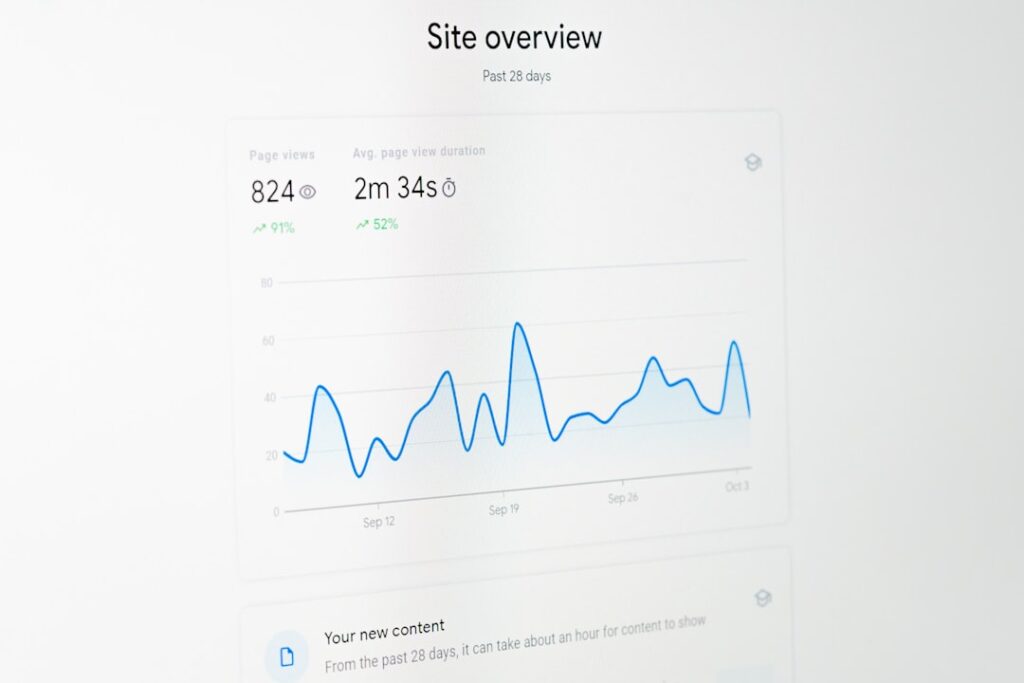
Learn 15 proven ways to use Google Analytics for tracking and improving your SEO performance, featuring expert tips from over 50 SEO professionals.
In the competitive digital landscape, mastering SEO Tracking Techniques is crucial for enhancing your website’s visibility and driving organic traffic. Google Analytics stands out as a powerful tool to monitor and optimize your SEO efforts. Here are 15 essential techniques to leverage Google Analytics for boosting your SEO performance.
1. Sync Your Google Search Console with Google Analytics
Integrating Google Search Console (GSC) with Google Analytics provides a comprehensive view of your SEO performance. This connection allows you to access valuable data such as search queries, click-through rates, and landing page performance directly within Google Analytics.
“Connecting GA to GSC gives a holistic view of your SEO efforts,” says Kim Doughty from Leadhub.
2. Set Up SEO-Related Goals
Define specific SEO goals in Google Analytics to track conversions that matter. Whether it’s form submissions, product purchases, or newsletter sign-ups, setting up these goals helps measure the quality of your organic traffic.
3. Apply Filters to Exclude Spam Traffic
Ensure the accuracy of your SEO data by filtering out spam and bot traffic. Use regex filters to exclude known spam domains and refine your reports to reflect genuine user interactions.
4. Analyze High-Converting Pages
Regularly review your top-performing pages to identify what drives conversions. Optimize these pages further by updating content, improving CTAs, and ensuring they align with user intent.
5. Utilize the Content Drilldown Report
The Content Drilldown report provides insights into how different sections of your website perform. Analyze metrics like page views, bounce rates, and average time on page to identify content that resonates with your audience.
6. Add Annotations for Content Updates
Keep track of changes made to your website by adding annotations in Google Analytics. This practice helps correlate updates with performance shifts, making it easier to assess the impact of your SEO strategies.
7. Leverage the Multi-Channel Funnel Report
Understand the customer journey by analyzing how various channels interact to drive conversions. The Multi-Channel Funnel report reveals the interplay between organic search, social media, and direct traffic in your SEO performance.
8. Identify and Analyze Referral Sites
Track which external websites are referring traffic to your site. Building relationships with high-quality referral sources can enhance your SEO efforts and improve your site’s authority.
9. Manage Your PPC Spend Effectively
Monitor the performance of your PPC campaigns within Google Analytics. By linking Google Ads with Analytics, you can assess the ROI of your paid efforts and adjust your SEO strategies accordingly.
10. Assess How Google Views Your Website
Use Google Analytics to evaluate how your website is categorized by Google. Understanding your site’s perceived niche can help you tailor your content to better align with your target audience’s interests.
11. Create Custom SEO Dashboards
Develop personalized dashboards in Google Analytics to focus on the most relevant SEO metrics. Custom dashboards streamline data analysis, allowing you to quickly identify areas for improvement.
12. Set Up Real-Time Alerts
Configure real-time alerts to stay informed about significant changes in your SEO metrics. Immediate notifications enable you to respond swiftly to unexpected performance drops or spikes.
13. Spot Low-Hanging Opportunities to Boost Traffic
Identify pages with declining traffic or those that haven’t been optimized yet. Refreshing and updating these pages can significantly enhance your overall SEO performance.
14. Track Internal Site Search for Keyword Opportunities
Analyze the internal search queries to discover what users are looking for on your site. This insight can reveal new keyword opportunities and guide your content creation strategy.
15. Monitor Site Speed and Performance
Site speed is a critical factor for both user experience and SEO rankings. Use Google Analytics to track page load times and identify areas where performance improvements are needed.
Implementing these SEO Tracking Techniques using Google Analytics can transform your approach to SEO, ensuring you make data-driven decisions that enhance your website’s performance.
To further streamline your SEO efforts and leverage advanced tracking capabilities, consider using platforms like CMO.SO. CMO.SO offers automated tools and a community-driven environment that empowers non-marketers to excel in SEO and AI marketing. Unlock the future of your digital marketing strategy with CMO.SO today!
Share
Related posts